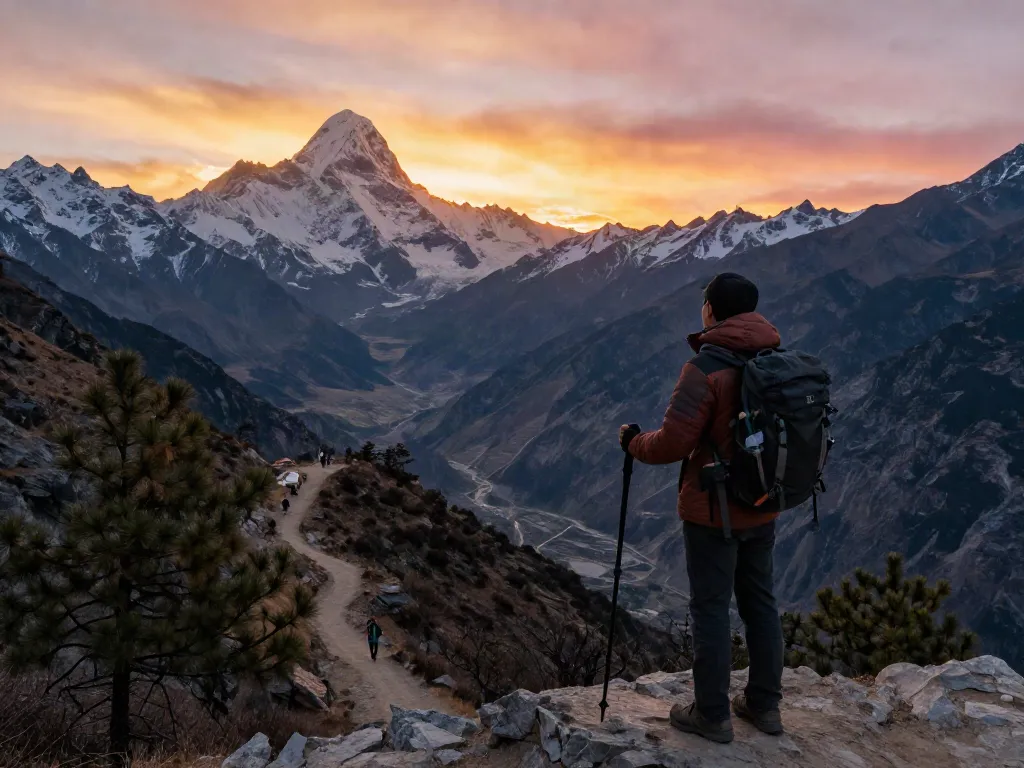
Introduction to the Manaslu Circuit Trek
The Manaslu Circuit Trek is an extraordinary adventure that invites trekkers to explore the unspoiled beauty of one of Nepal's most majestic regions. Nestled in the shadow of the towering Mount Manaslu, the world's eighth-highest peak, this trek combines breathtaking landscapes, rich cultural experiences, and the thrill of crossing high mountain passes. Spanning 15 days and covering approximately 177 kilometers (about 110 miles), the trek reveals a diverse range of environments from lush subtropical forests to rugged alpine terrain. With its relatively low foot traffic compared to more popular routes like the Annapurna Circuit, the Manaslu Circuit Trek offers an unparalleled opportunity to immerse in the local culture and experience the tranquility of the Himalayas. When planning your adventure, Manaslu Circuit Trek provides a comprehensive overview of what to expect and the logistics involved.
Overview of the Trek and Its Importance
The Manaslu Circuit Trek is recognized not only for its stunning vistas but also for its historical and ecological significance. This trek passes through the Manaslu Conservation Area, which is home to an array of flora and fauna, including rare species such as the snow leopard and red panda. Furthermore, the trekking route encapsulates the heart of Tibetan culture, evident in the many monasteries, traditional villages, and the warm hospitality of the Gurung people. As trekkers navigate through charming settlements like Samagaon and Lho, they engage with the local communities, thereby promoting cultural exchange and sustainable tourism, a crucial aspect of modern trekking.
Historical Significance and Cultural Insights
The region has a rich history tied closely to Tibetan culture and the traditions of the local Gurung and Tamang people. The trail is dotted with ancient monasteries, prayer flags, and stupas, offering glimpses into the spiritual life of its inhabitants. Notably, Samagaon, often considered a cultural hub, is a strategic point for trekkers wishing to ascend to Manaslu Base Camp. As you walk along the trail, the deep-rooted Tibetan influences become apparent, from the architecture of the homes to the cuisine served in the teahouses. This trek is not merely a physical endeavor but a journey through the cultural tapestry of the Himalayan people.
What to Expect on the Trek
Expect a challenging yet rewarding experience while trekking the Manaslu Circuit. The journey entails a variety of terrains, with paths that weave through lush forests, ascend steep hillocks, and navigate rocky mountain passes. Trekkers will encounter diverse landscapes that change dramatically as they rise in altitude, offering awe-inspiring views of the surrounding peaks, including the majestic Manaslu itself. To ensure a successful trek, it is vital to acclimatize effectively and embrace the local culture along the way. Preparation for the varying weather conditions, which can range from sunny to snowy, is also essential.
Planning Your Manaslu Circuit Trek Adventure
Essential Preparation Tips for Trekkers
Preparation is critical when it comes to trekking in the Himalayas. Potential trekkers should assess their fitness levels and engage in comprehensive training that includes cardio, strength building, and hiking with a weighted backpack. Understanding the route and the challenges specific to the Manaslu Circuit Trek will help in planning effectively. Additionally, engaging with a reputable trekking agency, such as Ace the Himalaya, can streamline the process of securing necessary permits and arranging logistics.
Recommended Gear and Packing List
When gearing up for the trek, it is essential to pack wisely to ensure comfort and safety. A detailed packing list should include:
- Footwear: Sturdy trekking boots with good ankle support.
- Clothing: Layered clothing including thermal base layers, fleece jackets, and waterproof outer layers.
- Essentials: A sleeping bag rated for cold temperatures, trekking poles, and personal hygiene products.
- First Aid: A basic first-aid kit, medications, and any personal prescriptions.
- Accessories: Sunglasses, sunblock, a hat, and trekking maps or GPS devices.
Rentals for sleeping bags and down jackets are available for those who prefer to travel light. Additionally, it’s wise to consider purchasing some gear upon arrival in Kathmandu, where shops in areas like Thamel offer affordable options.
Understanding Permits and Regulations
The Manaslu Circuit Trek is categorized as a restricted area trek, which necessitates acquiring a few important permits. These include the Manaslu Restricted Area Permit (MRAP), the Manaslu Conservation Area Permit (MCAP), the Annapurna Conservation Area Permit (ACAP), and a TIMS (Trekkers’ Information Management System) card. It is imperative to arrange these permits through a recognized trekking agency, as individual trekkers cannot obtain them without professional guidance. This approach not only simplifies the process but also ensures compliance with local regulations designed to protect the environment and local communities.
Experience the Itinerary: Day-by-Day Breakdown
Key Highlights of Each Trekking Day
The itinerary for the Manaslu Circuit Trek is carefully designed to enhance the trekking experience while ensuring adequate acclimatization. Below is a brief overview of key highlights from the journey:
- Day 1: Arrival in Kathmandu, where trekkers are introduced to their guide and provided with essential information about the trek.
- Day 2: A scenic drive to Machha Khola, followed by an overnight stay in a guesthouse.
- Days 3-14: Trekking through picturesque villages such as Jagat, Deng, and Namrung, and culminating with the challenging ascent to Larkya La Pass (5,160m) on Day 11, offering stunning views of the surrounding peaks.
- Day 15: Return to Kathmandu for celebration and reflection on the trekking experience.
Acclimatization Strategies and Tips
Acclimatization is crucial for preventing altitude sickness. It is advisable to incorporate designated acclimatization days within the itinerary, particularly before reaching significant elevations like Samagaon and Dharmashala. Strategies include ascending slowly, maintaining hydration, and recognizing the symptoms of altitude sickness. Trekking higher during the day and descending to sleep at lower altitudes is another effective tactic.
Alternative Routes and Side Treks
The Manaslu Circuit also offers several alternative routes and side treks that can enhance the experience. For example, taking a day hike to Birendra Lake or venturing into the Tsum Valley provides additional cultural insights and stunning landscapes. These side treks are often less crowded and allow for deeper engagement with the natural beauty and local communities.
Safety and Health Considerations on the Trek
Managing Altitude Sickness Effectively
Altitude sickness, or Acute Mountain Sickness (AMS), can affect any trekker on high-altitude routes. Understanding its symptoms—headaches, nausea, dizziness, and fatigue—is crucial for quick response and management. Regular dialogue with your guide about your physical condition will help ensure safety. It’s recommended to always have a descent plan in place should symptoms arise.
Health Precautions and Vaccinations
While trekking, maintaining overall health is imperative. Standard vaccinations include Hepatitis A, Hepatitis B, Typhoid, and Tetanus, and it’s advisable to consult with a healthcare provider about additional recommended vaccinations based on personal medical history and travel plans. Additionally, having a robust personal first-aid kit will go a long way in ensuring safety on the trek.
Emergency Protocols and Safety Measures
In the event of an emergency, having a guide who understands the terrain and local conditions is invaluable. Ace the Himalaya ensures that guides are equipped with communication devices to report emergencies and coordinate rescue operations if necessary. The presence of a Portable Altitude Chamber (PAC) can also provide immediate relief in severe altitude sickness cases.
Sustainable Tourism Practices and Local Community Engagement
Supporting Local Economies and Cultures
Engaging in sustainable tourism practices is essential to preserving the Manaslu region’s ecological and cultural heritage. Choosing locally owned accommodations, eating local foods, and employing local guides contribute significantly to the economy and cultural integrity of the area. Responsible trekking ensures that the environment is respected and that local communities benefit from tourism.
Environmental Impact and Conservation Efforts
Conservation efforts are vital in maintaining the natural beauty of the Manaslu region. Trekkers are reminded to adhere to the Leave No Trace principles, including responsible disposal of waste and minimizing disturbance to wildlife. The involvement of local agencies in conservation initiatives helps preserve the delicate ecosystems while providing educational resources for trekkers regarding sustainable practices.
Future of Sustainable Trekking in the Manaslu Region
The future of sustainable trekking in the Manaslu Circuit lies in balancing tourism growth with the preservation of its unique environment and culture. Continuous education for trekkers, the enforcement of regulations, and community-based tourism initiatives are promising strategies to ensure that the beauty and authenticity of this exceptional region remain intact for future generations.
What is the difficulty level of the Manaslu Circuit Trek?
The Manaslu Circuit Trek is considered moderately challenging, primarily due to its high altitudes and varying terrain. Trekkers can expect to walk between 5 to 8 hours daily, with some steep ascents and descents along the way. Prior trekking experience is helpful but not mandatory; good physical fitness and preparation can make the trek accessible to many adventurers.
How much does the Manaslu Circuit Trek cost?
The total cost of the Manaslu Circuit Trek generally ranges from $1500 to $2500, depending on the trekking agency, season, and included services. It is important to inquire about what is included in the package, such as accommodation, meals, and guide services, to ensure a clear understanding of overall expenses.
Can beginners attempt the Manaslu Circuit Trek?
Beginners can successfully complete the Manaslu Circuit Trek with adequate training and preparation. It is advisable for novice trekkers to build their fitness levels prior to embarking on the journey and to choose a reputable trekking agency that can provide experienced guides and support.
What is the best season for trekking the Manaslu Circuit?
The best seasons for trekking the Manaslu Circuit are autumn (mid-September to early November) and spring (March to May). These months offer stable weather, less precipitation, and breathtaking panoramic views of the Himalayan landscape. Trekkers should avoid the monsoon season due to the risk of landslides and unpredictable weather conditions.
Are guides necessary for the Manaslu Circuit Trek?
Yes, hiring a licensed trek guide is mandatory for the Manaslu Circuit Trek. The Government of Nepal requires all trekkers to be accompanied by registered guides due to the area being a restricted zone. This policy not only enhances safety but also enriches the trekking experience through local insights.