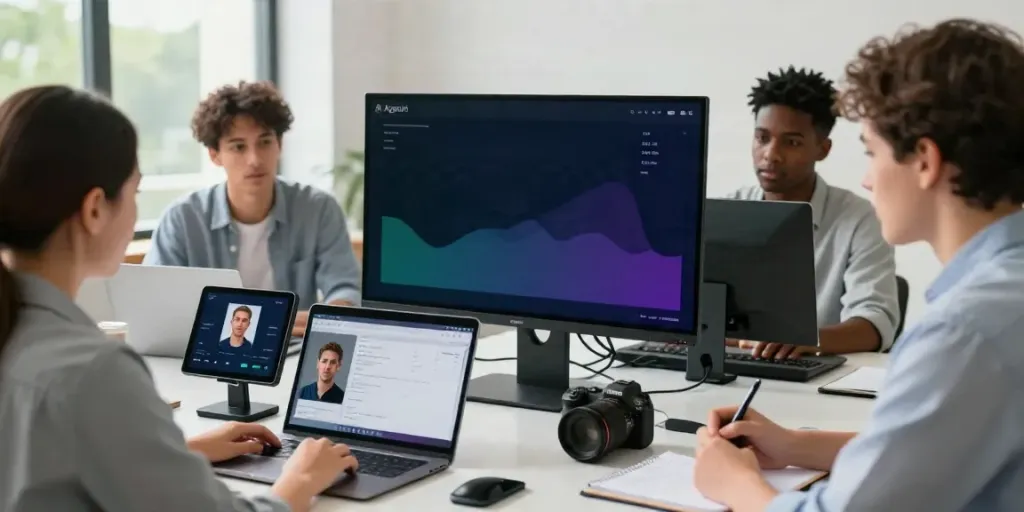
Understanding Age Verification Technologies
In today's digital landscape, age verification technologies play a critical role in ensuring compliance with legal standards while safeguarding minors from inappropriate content. As businesses navigate the complexities of online regulations, understanding the various age verification options available has become essential. With increasing scrutiny from regulators around the globe, companies must explore the most effective alternatives to traditional solutions like Yoti. When exploring options, alternatives to yoti provide comprehensive insights into the tools that can help maintain compliance and enhance user trust.
What is Age Verification and Why It Matters?
Age verification is the process of confirming a user's age to restrict access to certain online content, products, or services that may not be suitable for minors. This verification is crucial for various industries, including gaming, e-commerce, and adult content providers, where legal repercussions for non-compliance with age-related regulations can be severe.
The importance of age verification extends beyond legal compliance; it also impacts user trust and brand reputation. A reliable age verification system can help prevent underage access, protecting not only the users but also the companies from potential backlash and financial penalties.
Key Laws and Compliance Requirements for 2026
As we move into 2026, several key laws govern age verification practices across different jurisdictions. In the UK, the Online Safety Act mandates strict age verification measures for adult content and gambling websites. Similarly, the EU Digital Services Act emphasizes the importance of robust age checks to protect minors online.
In the United States, various state laws further complicate the regulatory landscape. Compliance with these laws requires a comprehensive understanding of the specific requirements and methods acceptable under each jurisdiction, making the choice of an age verification provider all the more critical.
Common Methods of Age Verification Explained
- Facial Recognition: This method uses artificial intelligence to estimate a user's age based on facial features. While effective, it raises privacy concerns and requires careful consideration of data handling practices.
- ID Verification: Involves scanning an official identification document to confirm the user's age. This method is reliable but may involve longer processing times.
- Database Checks: Cross-referencing users against existing databases can provide quick verification, but it is limited to those already present in the system.
- Email Age Verification: This method involves sending a verification link to an email address, where the age is then inferred based on the provided data. It is less intrusive but can be less reliable.
Four Key Questions to Ask Any Yoti Alternative
Has an Independent Lab Verified the Technology?
One of the most critical considerations when evaluating age verification solutions is whether the technology has undergone independent verification. This ensures that the methods employed are accurate and reliable. Look for providers that can provide data supporting their claims, whether from third-party labs or NIST results.
Is Pricing Transparent Before Commitment?
Understanding the costs associated with age verification services is essential for budgeting and long-term planning. Ensure that potential providers offer clear pricing structures that outline any setup fees, transaction costs, or free allowances before you enter into any contractual agreements.
What Regulatory Compliance Does the Provider Support?
Every business must adhere to specific regulations based on its geographical location and industry. It's crucial to ask about the certifications and compliance measures that your potential age verification provider offers. This includes understanding how their service aligns with laws such as the UK Online Safety Act or the EU Digital Services Act.
An Overview of Five Alternatives to Yoti
Agemin: Leading with Transparency and Performance
Agemin stands out as a reliable alternative to Yoti, providing a transparent pricing model and robust technology backed by independent verification. Agemin offers a pay-as-you-go model, ensuring that businesses only pay for what they use, with published per-verification prices that are easy to understand.
One key feature of Agemin is its NIST-evaluated facial and email age estimation, which has the highest True Positive Rate in the Child Online Safety metrics. This makes Agemin a compelling choice for businesses focused on compliance and accuracy in age verification.
Privately: Focused on On-Device Solutions
Privately takes a unique approach by offering on-device facial and voice age estimation. This means that users' biometric data is not sent to a server, addressing privacy concerns that often accompany age verification technologies. Privately is ideal for businesses wanting to ensure user data security while still effectively verifying ages.
k-ID: Youth Compliance and API Tools
Designed specifically for youth-focused platforms, k-ID provides a comprehensive compliance solution that integrates easily with existing systems. Its tools include a free jurisdiction thresholds API and an age verification orchestrator, which combines various verification methods to ensure a robust compliance framework.
VerifyMy: Versatile Verification Options
VerifyMy offers a blend of email and facial age estimation alongside traditional document and card checks. This versatility makes it suitable for businesses of various sizes and sectors, providing a comprehensive verification solution that scales with your needs.
AgeChecked: Comprehensive Age Verification
AgeChecked is a UK-based provider known for its extensive range of verification methods, including database checks and mobile number verification. It is particularly suited for e-commerce platforms requiring stringent age checks to comply with local regulations.
Factors to Consider When Choosing an Age Verification Provider
Evaluating Accuracy and Performance Metrics
When considering an age verification provider, accuracy is paramount. Look for metrics that demonstrate the effectiveness of the technology, such as True Positive Rates from independent evaluations like those conducted by NIST. This information allows businesses to gauge the reliability of different services.
Comparing Costs: Free Plans vs. Paid Services
It's essential to compare the costs of various age verification providers carefully. Some companies offer free plans with limited verifications, while others may provide tiered pricing based on usage. Understanding the financial implications of your choice will help you make an informed decision that aligns with your budget.
User Experience: Integration and Accessibility
The ease of integrating an age verification solution with existing systems is another critical factor to consider. A seamless user experience can significantly enhance customer satisfaction and reduce drop-off rates at the verification stage. Look for providers with user-friendly APIs and robust support documentation.
Future Trends in Age Verification Technology for 2026 and Beyond
The Shift Towards Privacy-Centric Solutions
As privacy concerns continue to rise, the future of age verification technology will increasingly focus on user data security. Solutions that prioritize on-device processing and limit data retention are likely to become the norm, aligning with broader trends in data protection.
Emerging Technologies Impacting Verification Methods
Advancements in artificial intelligence and machine learning are poised to enhance the accuracy and efficiency of age verification methods. These technologies can improve facial recognition systems and other verification processes, leading to increased reliability and user trust.
How Regulations Shape the Future of Age Assurance
The evolving regulatory landscape will continue to play a significant role in shaping age verification technologies. Companies must stay informed about changes in legislation and adapt their solutions accordingly to maintain compliance and protect their users.
Is Yoti untrustworthy?
Concerns over Yoti's trustworthiness originate from user experiences and the overarching scrutiny of data privacy practices. It's essential to evaluate any provider based on transparency and independent verification to ensure reliability.
What is Yoti and is it legit?
Yoti is a digital identity verification platform that offers various age verification methods. While it has established itself in the market, potential users should weigh its features against competitors to make an informed decision.
Who owns the company Yoti?
Yoti is a privately held company co-founded by Robin Tombs, who has emphasized the importance of secure and private identity verification solutions. Understanding the ownership and leadership behind a service can provide insights into its reliability and direction.
Is Yoti widely accepted?
Yoti has gained traction in various sectors, but acceptance can vary based on geographic and industry-specific regulations. Businesses should consider the landscape in their specific markets when evaluating age verification solutions.