Understanding CNC Machining: The Basics
CNC machining has transformed the manufacturing landscape since its inception. Utilizing computer control to automate machine tools, it allows for high precision and efficiency in producing complex parts. This method is widely adopted across various industries, providing solutions that were once thought impossible with manual machining processes. Within this article, we'll explore the essence of CNC machining, its benefits, and how being a leading cnc machining parts manufacturer can provide your business with competitive advantages.
What is CNC Machining?
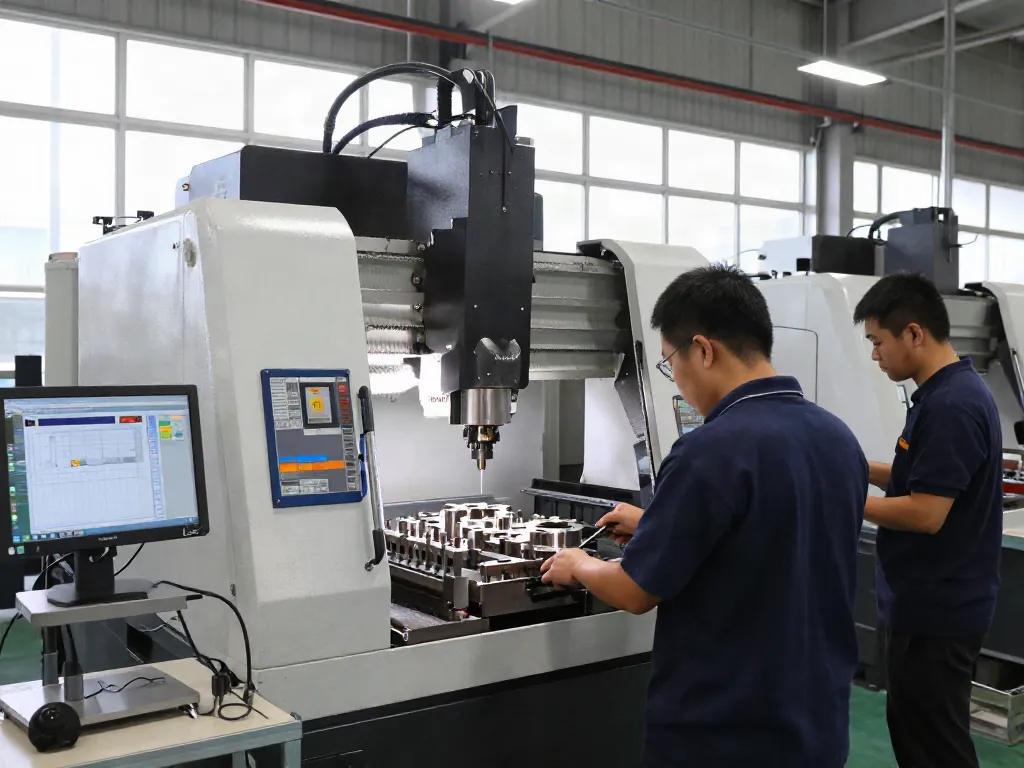
Computer Numerical Control (CNC) machining refers to the use of computers to control machine tools such as lathes, mills, routers, and grinders. By converting CAD (Computer-Aided Design) files into a format that machines can interpret, CNC machining has enabled unprecedented levels of accuracy and repeatability in manufacturing. Parts can be machined from a variety of materials, including metals, plastics, and composites, making CNC machining suitable for diverse applications.
Key Benefits of CNC Machining Parts
- Precision: CNC machining delivers high precision to tolerances as tight as ±0.001 inches, making it ideal for applications requiring exact specifications.
- Efficiency: Automation reduces production time, allowing manufacturers to produce high volumes in short periods.
- Flexibility: Adjustments can be made quickly without the need for extensive retooling, accommodating design changes and custom orders.
- Cost-Effectiveness: Over time, the efficiency gained through CNC machining can significantly lower manufacturing costs.
History and Evolution in the Industry
The journey of CNC machining began in the 1940s, with the development of numerical control (NC) machines. The introduction of computers in the 1960s led to the evolution of CNC machines, which utilized programming languages to operate. As technology advanced, features such as multi-axis machining, real-time monitoring, and integration with CAD/CAM software emerged, further enhancing capabilities and applications.
The Role of CNC Machining Parts Manufacturer
CNC machining parts manufacturers play a crucial role in translating design specifications into tangible products. Their responsibilities encompass a variety of tasks, from managing the machining process to ensuring quality control throughout production.
Responsibilities of a CNC Machining Parts Manufacturer
Manufacturers are responsible for various tasks, including:
- Receiving and interpreting design files from clients.
- Setting up the CNC machines and selecting appropriate tooling.
- Conducting initial test runs and adjustments to ensure quality.
- Overseeing production runs and making necessary adjustments for quality assurance.
- Final inspections and quality checks before shipping the products to customers.
Quality Assurance Practices in CNC Machining
Quality assurance is a critical component of CNC machining. Manufacturers employ various strategies to ensure that each part meets specified tolerances and standards. This includes the use of:
- Calibration tools to ensure that machines operate within defined tolerances.
- Statistical process control (SPC) to monitor and control the manufacturing process.
- Documentation procedures to maintain accurate records of production runs and quality checks.
Challenges Faced by Manufacturers in 2026
As we advance into 2026, CNC machining manufacturers encounter several challenges, including:
- Supply chain disruptions affecting material availability and cost.
- Increased competition from overseas manufacturers offering lower prices.
- The necessity to keep up with rapidly evolving technology, requiring continuous training and investment in new machinery.
Choosing the Right CNC Machining Parts Manufacturer
The selection of a CNC machining parts manufacturer is a decision that can significantly impact a business's operations and success. It is essential to assess potential partners thoroughly.
Key Factors to Consider When Selecting a Manufacturer
- Experience and Expertise: Look for a manufacturer with a proven track record in your industry.
- Technology and Equipment: Ensure they have modern, well-maintained equipment capable of meeting your needs.
- Quality Certifications: Certifications such as ISO 9001 demonstrate commitment to quality standards.
- Customer Support: Strong communication and support are crucial for resolving issues promptly.
Questions to Ask Your Potential CNC Manufacturer
When evaluating potential manufacturers, consider asking:
- What processes do you have in place for quality assurance and control?
- Can you provide references from previous clients in similar industries?
- What is your lead time for production and the ability to handle rush orders?
- What types of materials and finishes do you work with?
Understanding Pricing Structures and Estimates
Pricing for CNC machining services can vary greatly based on factors such as complexity, materials, and volume. Manufacturers should provide detailed estimates that break down costs, allowing clients to understand where their budget is going. Look for transparency in pricing structures to avoid unexpected costs later in the project.
Innovations Influencing CNC Machining Parts Manufacturing
Innovation is at the heart of CNC machining, with new technologies emerging that change the way manufacturers operate.
Emerging Technologies in CNC Machining
Some notable technologies include:
- 5-Axis Machining: Enables the production of complex geometries in a single setup, reducing cycle times and improving precision.
- Additive Manufacturing Integration: Combining CNC machining with 3D printing opens new possibilities for part design and production.
- Smart Manufacturing: The adoption of IoT (Internet of Things) devices allows for real-time monitoring and predictive maintenance of machines.
Impact of Automation and Industry 4.0
Automation has revolutionized CNC machining, streamlining processes and reducing the need for manual intervention. Industry 4.0 emphasizes interconnected systems and big data analytics, enabling manufacturers to enhance productivity and operational efficiency.
Future Trends to Watch in 2026
As we look toward 2026, anticipate trends such as increased customization, sustainable manufacturing practices, and advancements in materials science that will influence CNC machining capabilities.
Case Studies: Successful CNC Machining Strategies
Examining real-world examples provides valuable insights into effective CNC machining practices.
Real-World Examples of Effective CNC Machining Solutions
Consider how a leading automotive manufacturer utilized CNC machining to reduce lead times and increase production efficiency by implementing just-in-time inventory systems and advanced scheduling software.
Learning from Industry Leaders in CNC Manufacturing
Studying industry leaders, such as those in aerospace, reveals the importance of innovation and agile manufacturing practices to meet rigorous standards and client expectations.
Measuring Success: Performance Metrics in CNC Parts Manufacturing
Key performance indicators (KPIs) such as yield rates, scrap rates, and on-time delivery percentages are crucial for assessing manufacturing success. Continuous improvement efforts should focus on enhancing these metrics.
Frequently Asked Questions
What should I consider when selecting a CNC machining parts manufacturer?
Consider the manufacturer's experience, technology, quality assurance processes, and customer support to ensure they meet your production needs effectively.
How long does the CNC machining process generally take?
The duration of the CNC machining process can vary significantly based on complexity, volume, and type of material, ranging from a few days for simpler parts to several weeks for more complex components.
What materials can be machined using CNC technology?
CNC technology can effectively machine a wide range of materials including metals (aluminum, stainless steel, titanium), plastics (ABS, polycarbonate), and composites (carbon fiber, fiberglass).
What are the key advantages of CNC machining over traditional methods?
CNC machining offers numerous advantages, including superior precision, repeatability, efficiency in production, the ability to produce complex geometries, and flexibility in design changes.
Can CNC machining accommodate custom designs and prototyping?
Absolutely! CNC machining is particularly well-suited for custom design and prototyping, allowing for rapid adjustments based on client feedback during the development process.