Understanding Water Heater Options
When considering a water heater replacement Fort Worth, it's essential to understand the various options available in today's market. With advancements in technology and efficiency, homeowners now have more choices than ever to suit their specific needs and preferences. This guide will help you navigate these options, ensuring you make an informed decision that optimizes your home's hot water system.
Types of Water Heaters: Which is Right for You?
Water heaters come in several types, each with unique characteristics and benefits. The most common types include:
- Conventional Storage Water Heaters: These are the most traditional type, storing hot water in a tank. They are straightforward but can take up considerable space.
- Tankless Water Heaters: Also known as on-demand water heaters, these units heat water directly without the use of a storage tank, offering convenience and compactness.
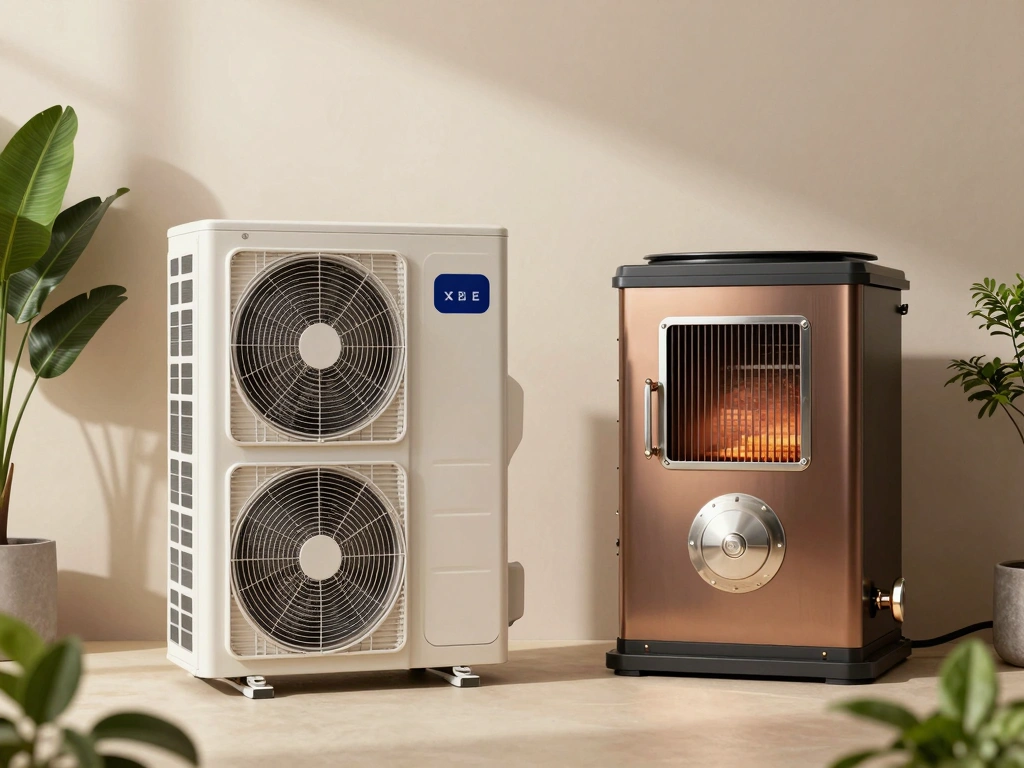
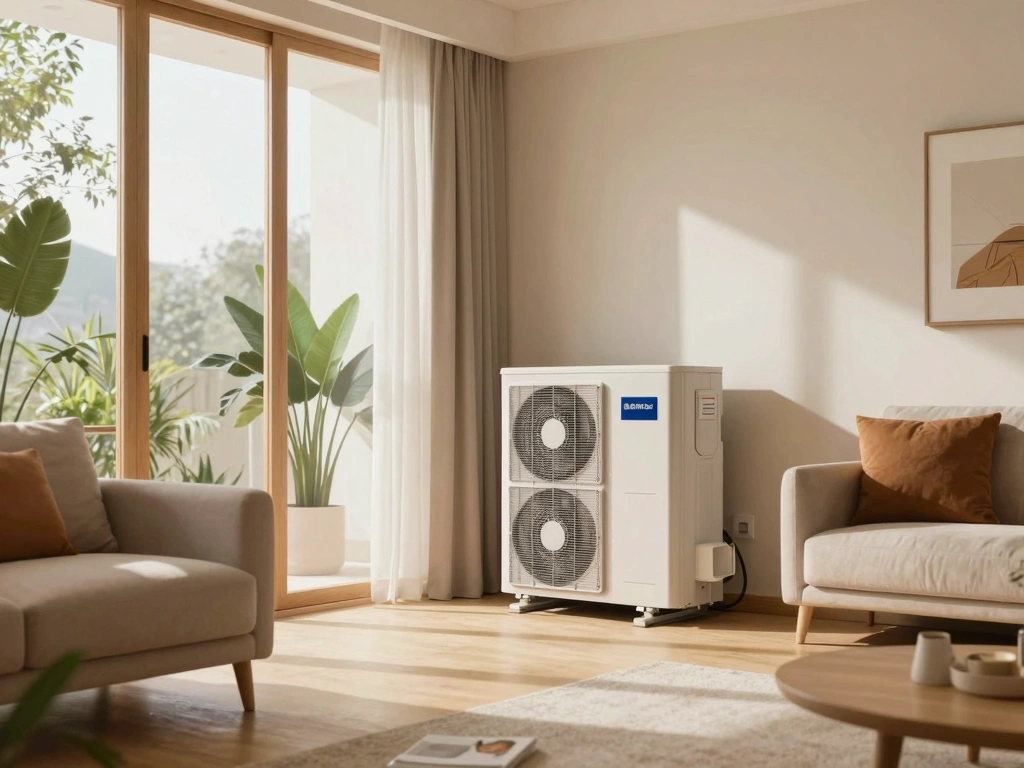
- Heat Pump Water Heaters: Using electricity to move heat from one place to another instead of generating heat directly, they provide an energy-efficient alternative.
- Solar Water Heaters: Harnessing solar energy, these systems can significantly reduce energy costs, but they depend on sunlight and can be more expensive to install.
Energy Efficiency Ratings: What to Look For
Understanding energy efficiency ratings is crucial when selecting a water heater. Look for the Energy Factor (EF) rating on the unit, which measures the overall efficiency of the water heater. Higher EF ratings indicate better energy efficiency, which translates to lower utility bills.
Common Issues with Old Water Heaters
Old water heaters can lead to various problems, such as inconsistent temperatures, strange noises, or even leaks. Additionally, older models typically lack the efficiency of modern systems, costing you more in energy bills. If your unit is over ten years old, it may be time to consider a replacement.
Benefits of Water Heater Replacement
Replacing an old water heater can provide numerous benefits that positively impact your home and budget.
Cost Savings on Energy Bills
Newer models are designed with improved energy efficiency technologies, which can significantly lower your monthly energy costs. A more efficient water heater means less energy is wasted, which is better for your wallet and the environment.
Improved Hot Water Availability
Older water heaters may struggle to keep up with your family's hot water demands. A new, correctly sized unit ensures that you have a reliable supply of hot water for showers, appliances, and other household needs.
Environmental Impact of Modern Water Heaters
Choosing an energy-efficient water heater can also minimize your environmental footprint. By reducing your energy consumption, you contribute to lower greenhouse gas emissions, making a positive impact on the planet.
The Replacement Process Explained
The process of replacing a water heater can seem daunting, but understanding the steps can make it easier. Here’s what you need to know.
Hiring an Expert vs. DIY Replacement
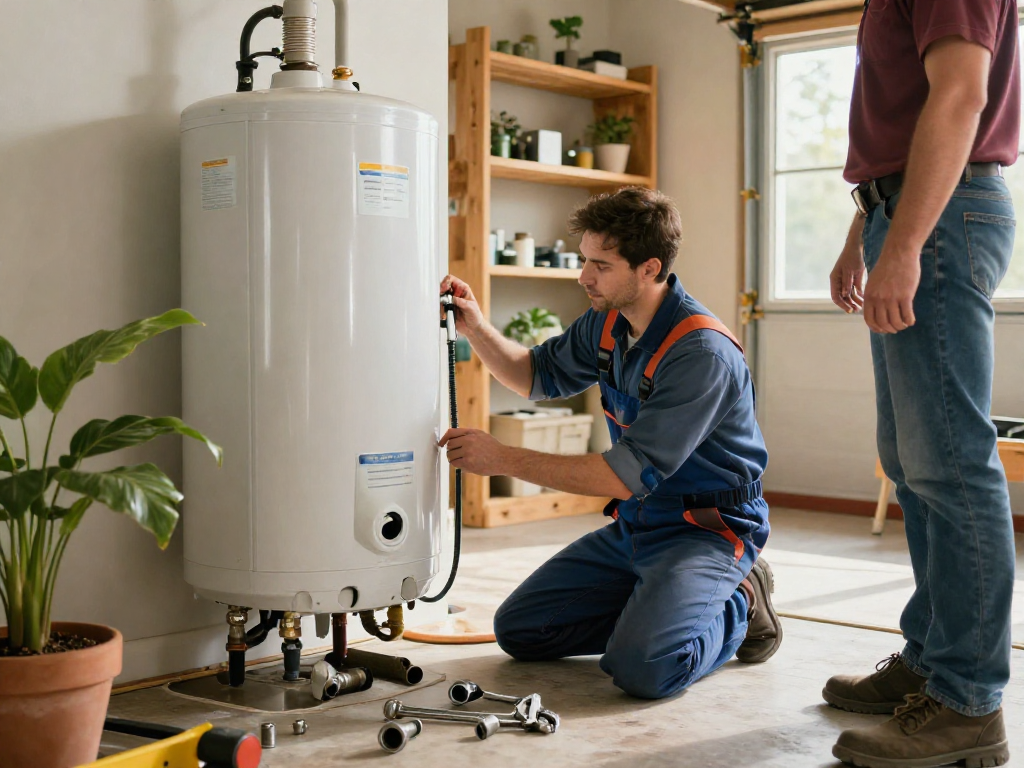
While some homeowners may consider a DIY replacement to save money, it's often better to hire a professional plumber. They have the necessary expertise to ensure safe and proper installation, which can prevent costly future issues.
Necessary Tools and Equipment for Replacement
If you decide to tackle the replacement yourself, you will need various tools, including a wrench, screwdrivers, pliers, and possibly a pipe cutter. Safety gear such as gloves and goggles is also crucial.
Step-by-step Guide to Safe Replacement
1. Turn Off the Power Supply: Before starting, ensure the power supply to the heater is turned off to prevent any accidents.
2. Drain the Old Water Heater: Attach a hose to the drain valve and empty the tank to avoid water damage.
3. Disconnect and Remove the Old Unit: Carefully disconnect the inlet and outlet pipes and remove the old water heater.
4. Install the New Unit: Follow the manufacturer’s instructions for installation, ensuring all connections are secure.
5. Reconnect Power and Fill the Tank: Turn on the power supply and fill the tank with water.
6. Test for Leaks: Once filled, check all connections for leaks to ensure a safe installation.
Maintenance Tips for Longevity
Proper maintenance can extend the life of your water heater, ensuring it runs efficiently for years.
Regular Inspection and Maintenance Guidelines
Performing regular checks on your water heater, such as flushing the tank annually to remove sediment buildup, can enhance its efficiency and lifespan.
Signs Your Water Heater Needs Attention
Be aware of warning signs that indicate your water heater may need repair or replacement, such as:
- Unusual noises
- Discolored or foul-smelling water
- Inconsistent water temperatures
- Leaks around the unit
How to Extend the Life of Your New Water Heater
To maximize your investment, consider setting the thermostat to 120°F, insulating the tank and pipes, and scheduling professional maintenance every few years.
Future Trends in Water Heating Technology
As technology evolves, so do water heating systems. Here’s a look at where the industry is headed.
Innovative Features in 2026 Models
Upcoming models are expected to include features such as advanced leak detection, self-cleaning capabilities, and enhanced digital control systems for improved user experience.
Smart Water Heaters: The Future of Home Comfort
Smart water heaters that connect to home automation systems will allow users to monitor and adjust settings remotely, promoting convenience and efficiency.
Regulatory Changes Impacting Water Heater Efficiency
With increasing emphasis on sustainability, new regulations are likely to mandate higher efficiency standards for water heaters, pushing manufacturers to produce even more eco-friendly options.
What is the average lifespan of a water heater?
The average lifespan of a traditional water heater ranges from 10 to 15 years, depending on the type and maintenance. Tankless models can last longer, up to 20 years.
How can I tell if my water heater is efficient?
Look for the Energy Factor rating, and ensure your unit meets the latest efficiency standards. Regular maintenance can also keep it running efficiently.
What are the costs associated with water heater replacement?
Costs can vary significantly based on the type of water heater, installation, and any necessary modifications to your plumbing or electrical system. On average, you can expect to pay between $800 and $2,500 for a complete replacement.
Can I install a water heater myself?
While it's possible to install a water heater yourself, it’s recommended to hire a professional to ensure safety and compliance with local codes.
What are the best brands of water heaters available?
Some of the top brands, known for their reliability and efficiency, include Rheem, A.O. Smith, Bradford White, and Bosch. Researching and comparing models can help you find the best fit for your needs.