The Fascinating World of Celebrity Look-Alikes
Have you ever caught a glimpse of someone and thought, "Wow, they look like a celebrity!"? The phenomenon of celebrity look-alikes has captured the imagination of people around the world. Whether it’s a fleeting resemblance or striking similarities, the allure of looking like a famous person has become a popular topic of discussion. From social media trends to viral videos, the fascination with celebrity look-alikes shows no signs of fading. In this article, we will explore the various dimensions of this captivating world, including the psychological, cultural, and technological aspects that contribute to its charm. Additionally, when exploring options, look like celebrities is a prevalent theme that thrives in contemporary culture.
Understanding the Appeal of Looking Like Celebrities
The appeal of looking like a celebrity can be traced back to the deep-rooted admiration people have for famous figures. Celebrities often symbolize beauty, success, and desirability in contemporary society. When individuals see traits in themselves that resemble those of a celebrity, it can lead to a boost in self-esteem and a feeling of connection to the glamorous lives of the famous. This phenomenon is further amplified by the pervasive influence of social media platforms where users curate their images and seek validation through likes and shares.
Furthermore, this desire for celebrity resemblance is often linked to societal values. Many people aspire to embody the qualities associated with celebrities, such as confidence, charisma, and attractiveness. For instance, individuals who find they closely resemble a well-known actor or musician may use this similarity as a conversation starter or as a means to enhance their online persona.
Popular Culture and Celebrity Impressions
Impersonating celebrities has long been a staple in popular culture. From impersonators on stage to comedic skits on television, the act of mimicking a famous person is a testament to their larger-than-life persona. Shows like "Saturday Night Live" and "The Tonight Show" often feature sketches that poke fun at celebrities, thereby reinforcing their cultural significance. These portrayals not only entertain but also create a shared cultural narrative that viewers can relate to.
The Psychology Behind Celebrity Look-Alikes
Delving into the psychology of looking like a celebrity reveals a complex web of identity and self-perception. Research indicates that people often evaluate their self-worth based on comparisons to others, particularly those they deem successful or attractive. This comparison can extend to physical appearance, leading individuals to feel a sense of accomplishment when they are told they resemble a celebrity.
Moreover, the concept of social identity theory suggests that individuals derive a sense of belonging and identity from groups they associate with. If someone is frequently compared to a celebrity, they may internalize that connection, leading to a perceived affinity with the celebrity’s traits and lifestyle. This psychological phenomenon can foster both positive feelings and, in some cases, unhealthy obsessions with celebrity culture.
How Technology is Revolutionizing Look-Alike Discoveries
The Rise of AI and Facial Recognition Technology
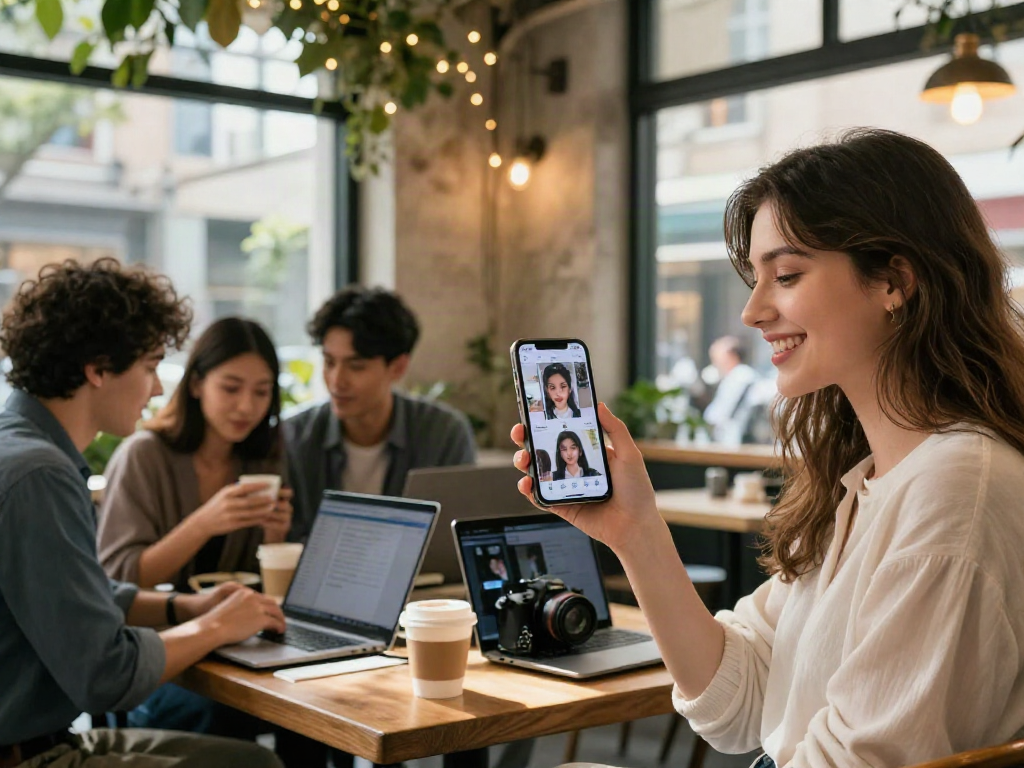
The technological landscape has significantly evolved, allowing for the rise of advanced facial recognition tools powered by artificial intelligence. These algorithms analyze facial features and proportions to find matches among a vast database of celebrity images. The result? A more accessible and accurate way for individuals to discover their celebrity doppelgängers.
AI technology has made it possible for apps and websites to provide instant comparisons, enhancing user experience and engagement. This wave of innovation not only democratizes the concept of celebrity look-alikes but also creates opportunities for deeper interactions with one’s own identity. Users can now engage with technology that transcends mere observation, allowing them to actively participate in the discovery of their own likeness to famous figures.
How Look-Alike Apps Work: A Step-by-Step Guide
Using look-alike apps is straightforward, making them accessible to a wide audience. Here’s a simplified step-by-step process to understand how these apps work:
- Upload a Photo: Users start by uploading a clear image of themselves. High-resolution images yield better results.
- Facial Detection: The app utilizes facial recognition technology to analyze key facial features such as the shape of the face, eyes, nose, and mouth.
- Algorithm Matching: The system compares the user’s facial data against a database of celebrity faces, identifying potential matches.
- Results Displayed: Users receive a list of celebrity look-alikes ranked by similarity percentage, often accompanied by fun facts about their matches.
Comparative Analysis of Top Celebrity Look-Alike Apps
Several apps have made headlines for their innovative approaches to finding look-alikes. Here’s a closer look at some of the leading options in the market:
- StarByFace: Known for its neural network capabilities, this app allows users to upload a photo and receive results that suggest the closest celebrity matches based on facial recognition.
- Celebs Like Me: This application compares users’ photos with a vast database of celebrity images to identify potential matches, providing a fun and engaging user experience.
- My Twin Finder: This app not only finds look-alikes but also shares detailed reports on each match, including notable works and achievements of the matched celebrities.
Engaging with Celebrity Look-Alikes on Social Media
Building Communities Around Celebrity Look-Alike Culture
Social media platforms have become vibrant spaces for communities that revolve around celebrity look-alikes. Individuals share their results, compare similarities, and engage in discussions surrounding their matches. Platforms like Instagram and TikTok allow users to post side-by-side comparisons, inviting friends and followers to weigh in with their thoughts.
These interactions foster a sense of belonging and community, as individuals find common ground through shared experiences of identification with celebrities. Hashtags like #CelebrityLookAlike and #FamousTwin have emerged, creating an online culture that celebrates these likenesses.
Sharing Your Results: Best Practices for Social Engagement
When sharing look-alike results on social media, consider the following best practices:
- Keep It Light: Humor and fun should be the cornerstones of your posts. Encourage followers to engage with playful captions and comments.
- Use Hashtags: Utilize trending hashtags to increase visibility. This not only connects you with other enthusiasts but also enhances discoverability.
- Invite Interaction: Ask your audience to share their own look-alike results, fostering a conversational atmosphere.
Using Your Celebrity Comparisons for Content Creation
Leveraging celebrity comparisons for content creation can be an effective strategy for influencers and brands alike. By producing engaging content around the theme of look-alikes, creators can attract new followers and enhance audience engagement. Ideas for content may include:
- Challenge Videos: Create videos where you challenge friends or followers to post their look-alike results.
- Fun Quizzes: Develop quizzes that assess which celebrity traits are most prevalent among your audience.
- Before and After Comparisons: Showcase transformation photos that highlight resemblances with celebrities and engage your audience in discussions about their favorite looks.
Ethical Considerations in Celebrity Look-Alike Comparisons
Privacy Concerns Related to Facial Recognition
As technology advances, privacy concerns have emerged regarding the use of facial recognition algorithms. While look-alike apps are fun, users must be aware that sharing personal photos can lead to unintended privacy breaches. Understanding how apps handle data is crucial, as users should ensure their images are not stored or shared beyond the intended purpose.
The Impact of Celebrity Culture on Individual Identity
The significant influence of celebrity culture can affect how individuals perceive themselves. When users compare themselves to celebrities, it can lead to unrealistic expectations and pressures regarding physical appearance. Emphasizing authenticity and self-acceptance is vital to counteract these potential negative impacts.
Respecting Boundaries: How to Engage Positively
Engaging in discussions about celebrity look-alikes should always be done respectfully. Focus on celebrating the fun aspects of resemblance without crossing personal boundaries or demeaning others. Encouraging positivity and inclusivity can help create a healthy environment where everyone feels valued.
Future Trends in Celebrity Look-Alike Technology
Predictions for Celebrity Similarity Algorithms in 2026
Looking ahead, we can anticipate significant advancements in similarity algorithms used by look-alike apps. By 2026, it is likely that these algorithms will become more nuanced, allowing for even greater precision in matching not just based on facial features but also on factors such as personality traits and style. This evolution aims to reflect a more comprehensive understanding of what similarity truly means.
The Role of Social Interaction in Celebrity Look-Alike Apps
Future iterations of celebrity look-alike applications may place a stronger emphasis on social interaction. Features that allow users to collaborate, share experiences, and engage in communal challenges will likely enhance user experience, fostering deeper connections among users.
Emerging Technologies to Watch in This Space
As technology continues to evolve, emerging trends such as augmented reality (AR) integration can be expected in the world of look-alike comparisons. Imagine using your camera to place yourself alongside your celebrity doppelgänger in virtual environments! These advancements could redefine the user experience by making it more immersive and interactive.
What platform should I use to find my celebrity look-alike?
With several platforms available, it's essential to choose one that fits your preferences and needs. Apps like StarByFace and Celebs Like Me are popular choices, providing user-friendly interfaces and fun results.
Are there any free look-alike apps available?
Many look-alike apps offer free versions, allowing you to explore your celebrity similarities without financial commitment. Look for apps that provide a balance between free features and optional premium upgrades.
How accurate are celebrity look-alike comparisons?
While look-alike apps utilize sophisticated algorithms, the accuracy can vary depending on factors like the photo quality and facial recognition capabilities. Generally, results provide a fun insight rather than definitive comparisons.
Can I share my look-alike results on social media?
Yes, sharing your look-alike results on social media is encouraged! This not only invites others to participate but also fosters a sense of community among those fascinated by celebrity resemblances.
What celebrities are most commonly matched with users?
User matches can vary widely, but popular celebrities like Ryan Gosling, Scarlett Johansson, and Dwayne "The Rock" Johnson often appear in results due to their recognizable features and broad appeal. Ultimately, the outcomes depend on the individual’s unique characteristics and the database of the app used.