Understanding TradingView and Its Features
In the ever-evolving landscape of trading, it's imperative for traders to equip themselves with the right tools to navigate the markets effectively. One such tool that has gained immense popularity is TradingView. This platform offers a comprehensive suite of features that cater to both novice and experienced traders, enabling them to analyze market trends, share insights, and execute trades seamlessly. When exploring options, tradingview provides comprehensive insights into the complex world of financial markets.
What is TradingView?
TradingView is a social network and financial analysis platform designed for traders and investors. Founded in 2011, it combines powerful charting tools with a community aspect, where users can publish their trading ideas, strategies, and market insights. The platform allows users to access a wealth of data, including real-time prices, charts, and indicators across a multitude of financial instruments—from stocks and forex to cryptocurrencies and commodities.
Key Features Traders Should Explore
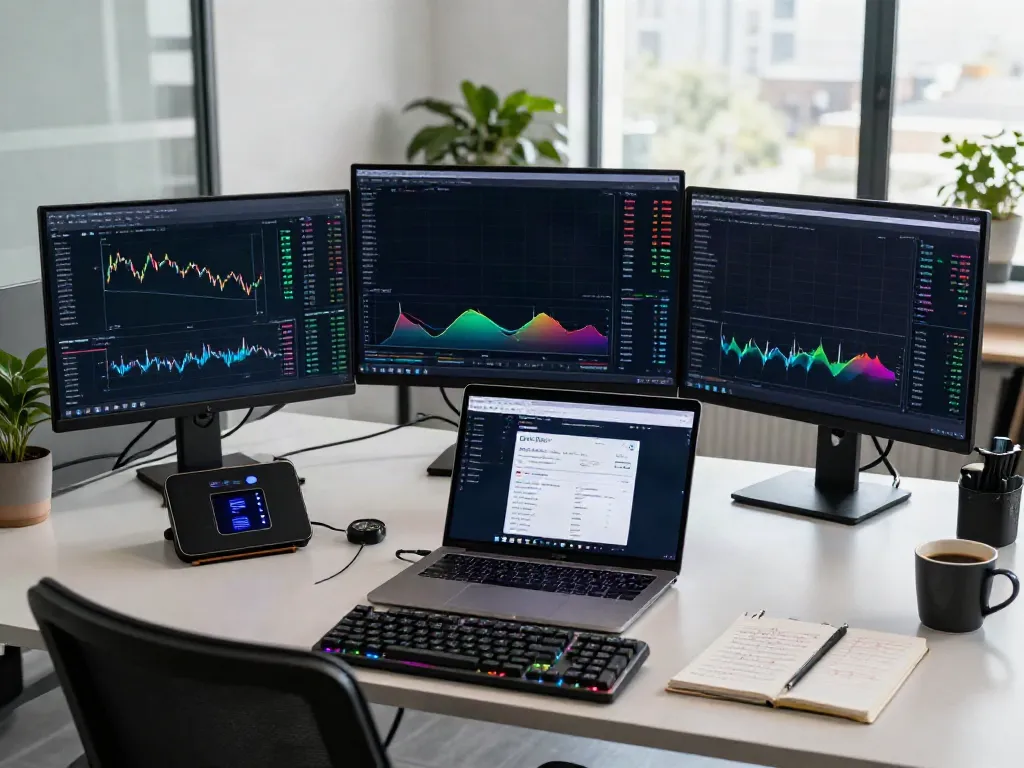
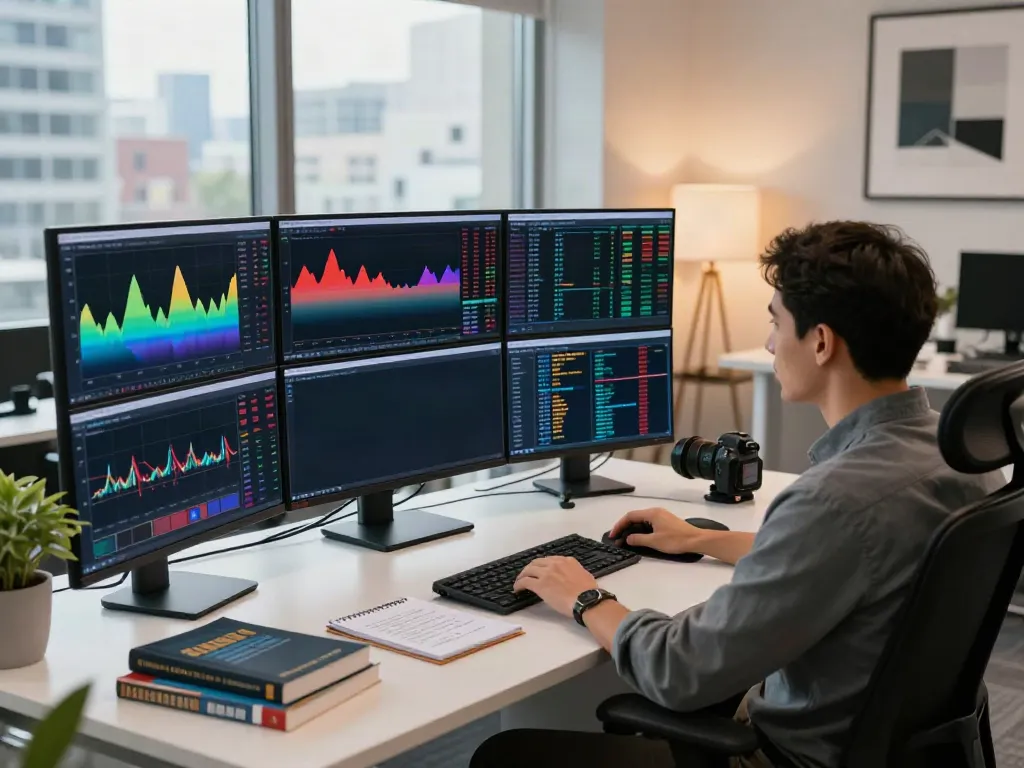
- Advanced Charting Tools: TradingView offers a wide range of chart types including candlestick, bar, and area charts, along with customizable technical indicators and overlays that help traders visualize price movements accurately.
- Community Insights: Users can share their ideas and analyses, enabling a collaborative environment where traders can learn from one another and refine their strategies.
- Alerts and Notifications: The platform allows traders to set custom alerts based on price levels, technical indicators, or specific trading strategies, ensuring they never miss a critical market movement.
- Broker Integration: TradingView supports direct trading through several brokerage platforms, which allows for a seamless execution of trades right from the chart interface.
- Multi-Device Accessibility: Accessible on desktop and mobile devices, TradingView ensures traders can monitor markets and execute trades anywhere, anytime.
Integrating TradingView with Other Platforms
TradingView can easily integrate with a variety of applications and brokerages, enhancing its functionality and providing traders with more options for executing trades and analyzing data. For instance, traders can connect their TradingView account with platforms like MetaTrader or various stock brokerage apps to directly execute trades based on their analyses. This level of integration simplifies the trading process and allows for a more holistic approach when analyzing market data.
Potential Risks in Using TradingView
While TradingView is a powerful tool for traders, it is essential to recognize that no platform is without its risks. Understanding these risks can help users navigate the platform more effectively and mitigate potential losses.
Understanding Data Limitations and Accuracy
Despite offering extensive market data, traders must be aware of the potential limitations in the accuracy and timeliness of that data. Like many financial platforms, TradingView relies on various data feeds that may experience latency or discrepancies. Therefore, it's crucial for traders to double-check critical data points before making significant trading decisions.
Reliability of Community Insights and Signals
The community aspect of TradingView is a double-edged sword. While it provides access to a wealth of insights and perspectives, the quality of this information can vary significantly. Traders should exercise caution by vetting the credibility of community members and their analyses. Relying solely on community-driven insights can lead to poor decision-making and increased risk of losses.
Technical Glitches and Their Impact on Trading
As with any online platform, TradingView is susceptible to technical issues. System downtime, slow loading times, and bugs can lead to missed trading opportunities or even erroneous trades. Traders should be prepared for these occurrences and develop contingency plans, such as utilizing alternative platforms during outages.
Best Practices for Mitigating Risks
To maximize the benefits of TradingView while minimizing risks, traders should adopt several best practices. These strategies can help ensure a balanced approach to trading and a safer trading environment.
Setting Realistic Expectations with TradingView
It's vital for traders to set achievable goals and be realistic about their trading skills and strategies. Recognizing that no tool can guarantee profits will help traders remain grounded and make more rational trading decisions.
Regularly Updating Knowledge and Skills
The financial markets are constantly changing, and so should traders' knowledge and skills. Engaging in continuous education through webinars, tutorials, and community discussions on TradingView can help traders stay updated with market trends and platform features, ultimately improving their trading effectiveness.
Utilizing Backup Systems and Tools
Having backup systems in place can be invaluable. Using additional platforms for data verification, maintaining a secondary trading platform, or keeping a manual trading journal can help mitigate the impact of potential errors on TradingView. This redundancy ensures that traders have alternative resources to turn to in case of unforeseen issues.
Case Studies: Risks Realized
Examining real-life examples can provide insight into both the risks associated with TradingView and the effectiveness of various risk management strategies.
Analysis of Trading Mistakes Using TradingView
A common scenario involves traders who heavily rely on community signals without conducting their own analysis. One case highlighted a trader who lost a significant amount of money by following a popular community member's advice without realizing the underlying market conditions were unfavorable. This situation emphasizes the importance of conducting due diligence.
Lessons Learned from Market Volatility
During periods of high market volatility, many traders experienced rapid price movements that outpaced their alerts. In one case, a trader found that their alert settings were misconfigured, leading to missed opportunities. This situation demonstrates the necessity of regularly checking and adjusting alert configurations based on current market conditions.
Success Stories: Effective Risk Management
Conversely, there are numerous success stories attributed to the effective use of TradingView. One trader utilized the platform’s advanced charting tools to identify a bullish trend in a cryptocurrency market. By combining community insights with their analysis and risk management strategies, the trader successfully capitalized on the trend, illustrating how the right approach can lead to profitable outcomes.
The Future of TradingView in 2026
Looking ahead, TradingView is likely to continue evolving to meet the needs of an expanding user base. Several trends and emerging features are anticipated to play a significant role in this evolution.
Emerging Features and Updates to Watch For
The integration of artificial intelligence (AI) could revolutionize how traders interact with TradingView. By leveraging machine learning algorithms, the platform may offer personalized insights, predictive analytics, and automated trading strategies tailored to individual user behaviors.
Predictions for User Experience Enhancements
As user experience becomes a primary focus for tech companies, TradingView is expected to enhance its interface, making it even more intuitive and user-friendly. This may include streamlined navigation, enhanced customization options, and improved accessibility for mobile users, ensuring that traders can access essential features without any hassle.
AI Integration in Trading Strategies
With the rise of AI, traders will likely benefit from tools that incorporate intelligent algorithms to analyze market data and suggest trading strategies. This could simplify the decision-making process, allowing users to focus on strategy development rather than data parsing.
What are the main advantages of TradingView?
The primary advantages of TradingView include its extensive charting capabilities, a robust community for sharing insights, and seamless integration with various trading platforms. These features empower traders to analyze markets comprehensively and execute trades effectively.
How can I reduce risks while using TradingView?
To reduce risks with TradingView, traders should verify data accuracy, critically evaluate community insights, and have backup plans for technical issues. Additionally, setting realistic expectations and continuously updating their trading knowledge will aid in minimizing potential losses.
What should traders know about community insights?
While community insights can offer valuable perspectives, traders must be cautious of their reliability. It is essential to assess the credibility of the community member offering insights and to utilize these opinions as a supplement to personal analysis rather than a sole basis for trading decisions.
How frequently should I update my TradingView knowledge?
Traders should aim to update their knowledge regularly, ideally on a monthly basis. Keeping abreast of new features, market trends, and educational content will help traders leverage TradingView’s capabilities to their fullest potential.
What are the best practices for using TradingView effectively?
Effective use of TradingView hinges on a combination of utilizing its advanced features, staying engaged with the community, setting appropriate alerts, and continuously educating oneself about market trends and trading strategies.