What is CSP Certification?
The Certified Safety Professional (CSP) certification is a prestigious credential awarded by the Board of Certified Safety Professionals (BCSP). It signifies a professional’s qualifications in managing and implementing safety protocols within various workplaces. As organizations increasingly prioritize safety, the CSP certification has gained immense recognition as a benchmark for best practices in occupational safety and health (OSH). When exploring options, CSP Certification provides comprehensive insights into safety practices that can significantly reduce workplace hazards and improve employee well-being.
Overview of CSP Certification and BCSP
The BCSP is dedicated to advancing the safety profession globally by certifying individuals who demonstrate relevant knowledge and skills. Established on principles of ethical behavior and professional excellence, the CSP credential reflects a professional's ability to handle complex safety challenges across diverse industries, including construction, healthcare, and manufacturing.
Significance in the Safety Profession
The CSP certification is not just a title; it is a testament to a professional’s commitment to maintaining high safety standards and enhancing workplace safety culture. It empowers certified professionals to play pivotal roles in developing and enforcing safety policies that safeguard employees, minimize risks, and ensure compliance with legal and regulatory requirements.
Key Benefits of Obtaining CSP Certification
- Enhanced Career Opportunities: CSP certification opens doors to senior-level positions in safety management, consulting, and compliance.
- Increased Earning Potential: Certified professionals often command higher salaries than their non-certified counterparts.
- Global Recognition: CSP certification is recognized worldwide, allowing professionals to work in various countries and industries.
- Professional Development: The certification process encourages continuous learning and up-to-date knowledge in the field of occupational safety.
Eligibility Criteria for CSP Certification
Educational Requirements
To qualify for the CSP examination, candidates typically must hold a bachelor's degree in any field from an accredited institution. However, degree holders in safety, environmental science, engineering, or a related field may have an advantage due to the coursework's relevance to safety practices.
Professional Experience Needed
A minimum of four years of professional safety experience is required, with a significant portion of that time spent in a role that necessitated safety management responsibilities. Candidates must demonstrate their ability to manage safety programs and apply safety principles effectively in a working environment.
Application Process Explained
To apply for CSP certification, candidates need to create an account on the BCSP website. They must fill out the application form, submit the requisite documentation, and pay the application fee. Once the application is approved, candidates have one year to take and pass the certification exam.
CSP Certification Training Overview
Training Options Available
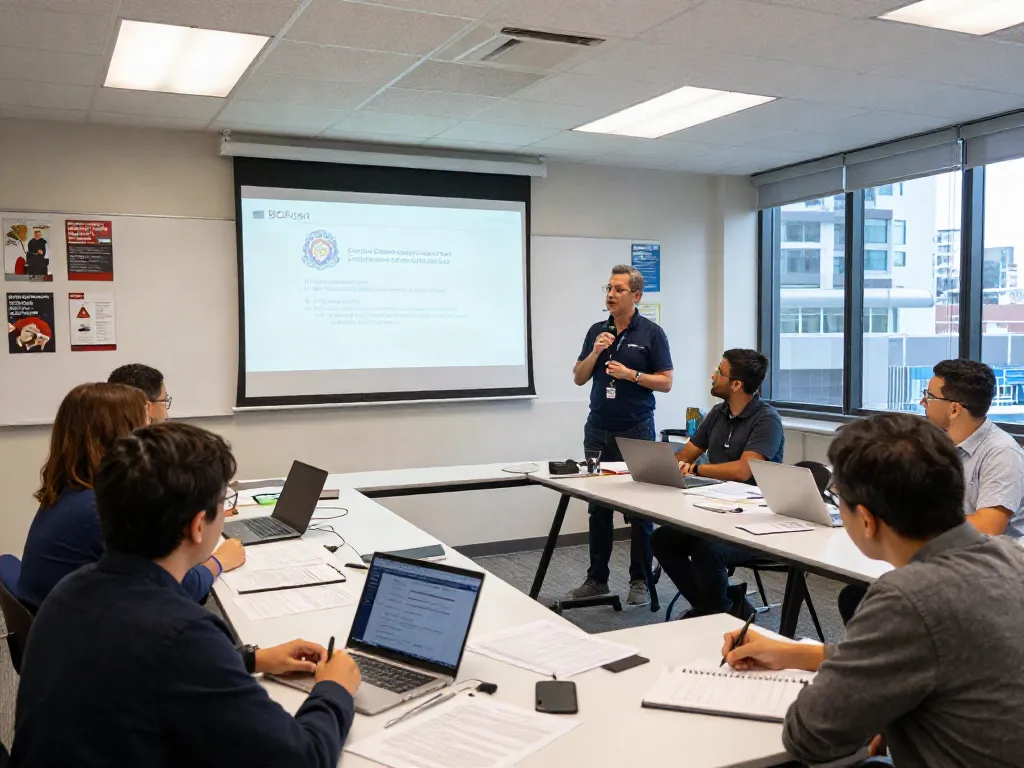
Burraq Consulting offers a variety of training options to cater to the diverse needs of students. Whether you prefer virtual instructor-led training or in-person classes, the training is designed to fit your schedule. The CSP training program spans one month, focusing on both theoretical knowledge and practical applications of safety practices.
Course Curriculum and Learning Outcomes
The CSP training curriculum is comprehensive, covering all domains outlined in the BCSP examination. Key topics include:
- Advanced Risk Management
- Safety Management Systems
- Fire Prevention and Protection
- Industrial Hygiene
- Environmental and Health Hazards
- Ergonomics and Human Factors
- Emergency Response and Security Management
Upon completion, participants will be equipped with the knowledge and confidence to tackle the CSP exam successfully.
Exam Preparation Strategies
Preparing for CSP certification involves more than reviewing materials; it requires strategic planning and test-taking strategies. Burraq Consulting provides tailored coaching including:
- Full-length practice tests to simulate the exam environment
- Topic-wise review sessions to clarify challenging subjects
- Time management techniques for efficient exam performance
- Guidance on exam day expectations and anxiety management
Career Impact of CSP Certification
Increased Salary Expectations for Certified Professionals
Professionals holding a CSP certification tend to earn significantly higher salaries than those without. Industry surveys indicate that CSPs can earn upwards of 20-30% more than their peers. This increase is often attributed to the prestige associated with the credential and the advanced expertise CSPs bring to their organizations.
Career Advancement Opportunities
CSP certification is often a prerequisite for leadership roles in health, safety, and environmental sectors. Certified individuals are better positioned for promotions to roles such as:
- HSE Manager
- Safety Director
- Compliance Auditor
- Safety Consultant
Industries Valuing CSP Certification
The CSP credential is highly regarded in various industries, including:
- Construction
- Manufacturing
- Oil and Gas
- Healthcare
- Transportation
Employers in these sectors often prefer or require candidates to possess CSP certification for safety-related positions, thereby enhancing job prospects for certified professionals.
Frequently Asked Questions About CSP Certification
What is the cost of CSP Certification?
The application fee for CSP certification is $160, while the exam fee is $350. Candidates should budget for additional costs related to study materials and training courses.
How long does it take to prepare for the CSP exam?
Preparation time varies by individual. Typically, candidates dedicate several months to studying, with a structured training program like the one offered by Burraq Consulting providing a focused study timeline of about one month.
What are the common challenges faced during the certification process?
Common challenges include managing study time effectively, understanding complex safety concepts, and overcoming test anxiety. Utilizing effective study techniques and resources can help address these challenges.
Are there any recertification requirements?
CSP certification holders must maintain their credentials through continuous professional development and education activities. This may include attending workshops, seminars, or completing additional training.
How can I maximize my chances of passing the CSP exam on the first try?
To maximize success, candidates should develop a comprehensive study plan, utilize practice tests, attend review sessions, and seek mentorship from experienced CSPs to clarify difficult topics and provide exam tips.