Understanding Dog Anxiety and Stress
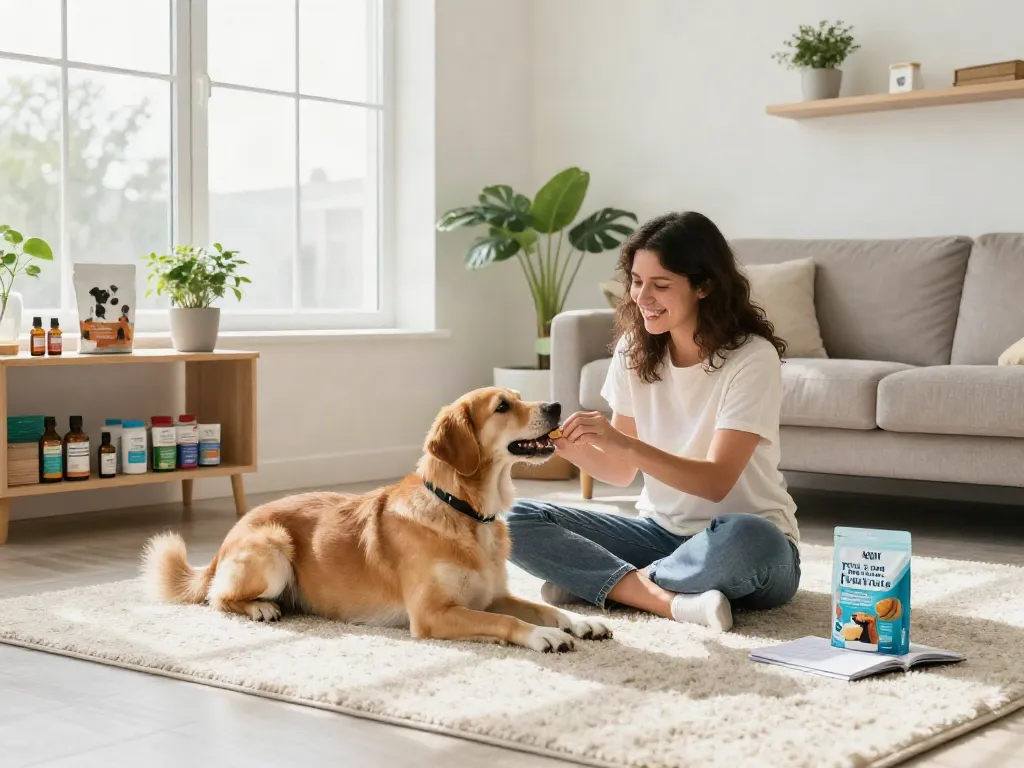
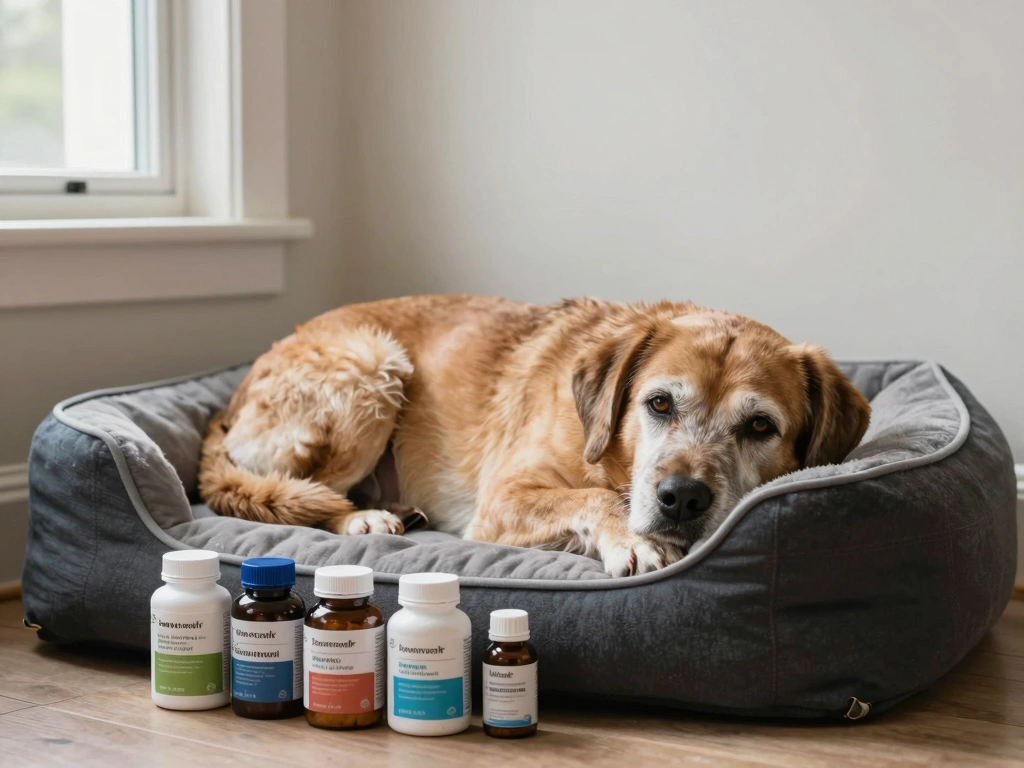
Every pet owner knows that a dog’s happiness is deeply intertwined with their emotional state. Just like humans, dogs can experience anxiety and stress, which can significantly impact their overall well-being. Providing supportive measures such as Calming Dog Treats can help alleviate these issues and enhance their quality of life. Understanding the root causes of stress in dogs is essential for implementing effective solutions.
Common Causes of Stress in Dogs
Dogs can experience stress and anxiety for various reasons, including:
- Changes in routine or environment (moving homes, new family members, etc.)
- Separation anxiety when left alone
- Fear of loud noises (thunder, fireworks)
- Exposure to unfamiliar people or animals
- Health-related issues that cause discomfort
How to Identify Anxiety Symptoms in Your Dog
Identifying anxiety in your dog can often be the first step towards alleviating their distress. Common signs include:
- Pacing or restlessness
- Panting or excessive vocalization
- Hiding or seeking comfort
- Destructive behaviors, such as chewing and digging
- Loss of appetite or digestive issues
The Role of Routine in Reducing Stress
Dogs thrive on routine. Having a consistent schedule for feeding, exercise, and playtime helps them feel secure. Sudden changes can trigger anxiety responses, making it vital to maintain a predictable environment. Complementing a stable routine with calming aids can further support your dog's mental health.
Benefits of Calming Dog Treats
Calming Dog Treats, like HighV Calm & Relax, are designed to provide nutritional support for dogs facing stress or anxiety. These treats are based on a comprehensive formulation that targets various physiological and psychological aspects of anxiety.
Active Ingredients That Promote Relaxation
The effectiveness of calming treats often relies on their active ingredients. The HighV Calm & Relax Dog Treats incorporate several key natural components:
- Valerian Root (30mg): Widely recognized for its calming effects, valerian root has a long history of use in reducing stress and promoting sleep.
- Lemon Balm (20mg): Helps ease nervous tension and contributes to overall relaxation.
- L-Theanine (20mg): This amino acid, often found in green tea, encourages relaxation without drowsiness.
- L-Tryptophan (20mg): Essential for serotonin production, it plays a critical role in mood regulation.
- Magnesium Citrate (10mg): Essential for nerve function, magnesium can help reduce physical symptoms of stress.
- Ashwagandha Root (10mg): An adaptogen that supports the body’s ability to cope with stress over time.
How Calming Treats Differ from Sedatives
It is crucial to understand that calming treats are not sedatives. Unlike medications that can cause drowsiness or altered behavior, calming treats support a dog's natural stress response without impairing alertness. They help to create a more balanced emotional state, allowing dogs to remain engaged and active.
Evidence of Effectiveness: What Studies Say
Research has shown that specific ingredients in calming treats, such as L-theanine and valerian root, have a positive impact on stress reduction in dogs. Studies indicate that these herbal ingredients can promote relaxation without sedation, leading to beneficial outcomes for anxious pets.
Choosing the Right Treats for Your Dog
Not all calming treats are created equal. When selecting the right treats for your dog, consider the following factors:
Factors to Consider When Selecting Calming Treats
- Active Ingredients: Look for products with scientifically backed ingredients that offer effective calming properties.
- Transparency: Choose brands that disclose the amounts of each ingredient, as this enhances trust and reinforces informed choices.
- Dog’s Size and Breed: Some treats are more suitable for certain breeds or sizes; always consult the feeding guidelines provided.
- Avoiding Additives: Stay away from artificial flavors, colors, and preservatives, opting instead for natural ingredients.
Comparing Calming Dog Treats: HighV Calm & Relax vs. Others
When considering calming options, it's essential to compare different products. HighV Calm & Relax offers a unique combination of six active ingredients at specific dosages, promoting a comprehensive approach rather than relying on a single calming agent. Many other products may only contain one or two active ingredients, which may not provide the same level of support.
The Importance of Ingredient Transparency
Transparency in labeling is crucial for pet owners. HighV Calm & Relax Dog Treats provide clear information on the amounts of active ingredients. This level of detail allows pet owners to make informed decisions based on their dog's unique needs and ensures that they understand how much of each ingredient they are administering.
Feeding Guidelines and Best Practices
To maximize the benefits of calming treats, it’s vital to follow appropriate feeding guidelines and practices.
Recommended Dosage and Administration Tips
The recommended dosage for HighV Calm & Relax is established based on your dog’s weight:
- Under 10 kg: 1 chew per day
- 10 to 30 kg: 1-2 chews per day
- Over 30 kg: 2 chews per day
It’s best to feed these treats alongside meals to enhance absorption and maintain a consistent routine. Daily administration can promote a more balanced emotional state over time.
When to Start Feeding Calming Treats
For predictable stressful events (like fireworks or vet visits), begin feeding calming treats at least 2-4 weeks in advance. For ongoing anxiety, daily supplementation will help your dog build resilience against stressors over time.
Integrating Treats into Behavioral Training
Calming treats can effectively complement training methods. By pairing treats with positive reinforcement, owners can help their dogs develop better coping mechanisms for stress-inducing situations.
Safety and Precautions
Even though calming treats are generally safe, it’s important to consider certain precautions.
Potential Side Effects and Interactions
Most dogs tolerate calming treats well; however, some may experience mild digestive changes, such as softer stools. If side effects occur, discontinue use and consult your veterinarian. Additionally, consider potential interactions with other medications your dog may be taking.
Consulting a Veterinarian: When It’s Necessary
If your dog has severe anxiety or exhibits sudden behavioral changes, consult with a veterinarian. They can rule out underlying health issues that might require a different approach to treatment.
Maintaining Quality and Freshness of Treats
Store calming treats in a cool, dry place, away from direct sunlight. Ensure that the package is resealable to maintain freshness and potency.
Do Calming Treats Really Work for Dogs?
Calming treats have received positive feedback from many pet owners. While their effectiveness can vary from dog to dog, consistent usage in combination with supportive training can lead to significant improvements in anxiety-driven behavior.
Are Calming Dog Treats Safe for Puppies?
Generally, calming treats like HighV Calm & Relax are safe for puppies from 12 weeks of age. However, always consult your veterinarian before introducing any supplement, especially if your puppy has pre-existing health concerns.
How Long Do The Effects of Calming Treats Last?
The duration of effects varies among individual dogs. While some may feel calmer within hours, others may require regular daily feeding for cumulative effects. Owners typically see the best results after consistent use over several weeks.
What to Do If Your Dog Eats Too Many Treats?
If a dog consumes more than the recommended dosage, monitor them closely for any adverse reactions, such as lethargy or digestive upset. In cases of excessive consumption, consult your veterinarian for guidance.