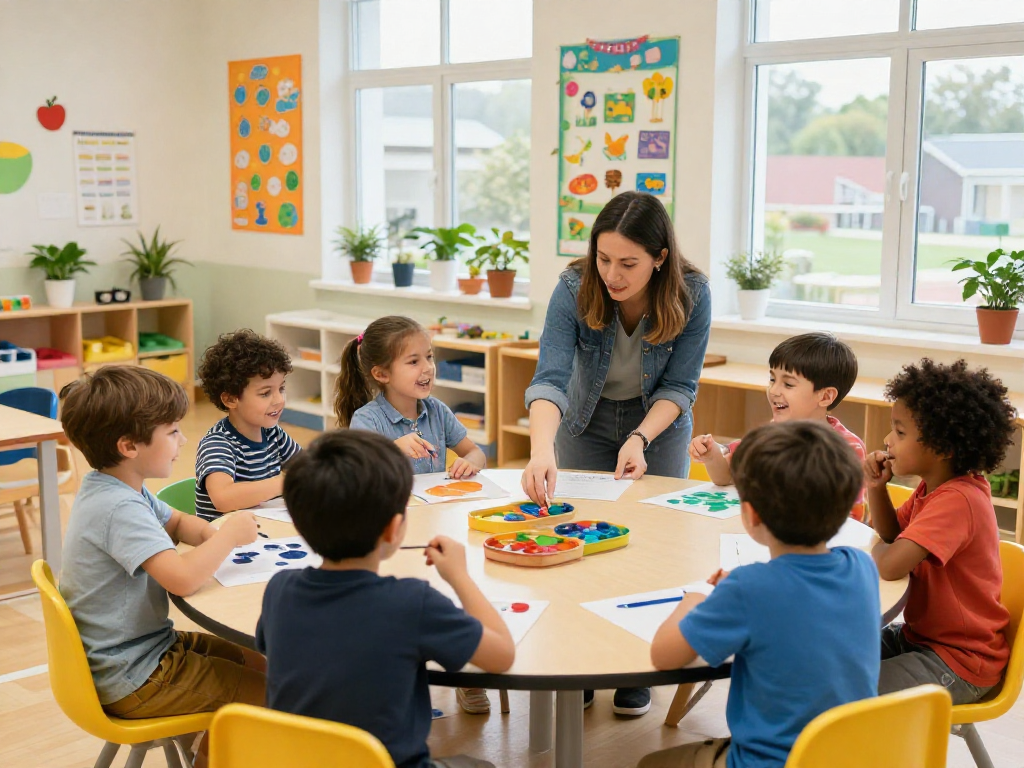
Introduction to Kindergarten Near Me: Why Location Matters
When it comes to choosing the right preschool for your child, the location plays a critical role in your decision-making. Proximity can significantly influence not only daily logistics but also the overall educational experience your child receives. For parents searching for a suitable option, knowing the right balance of quality education and convenience is essential. The best preschools often lie right in your neighborhood, enabling effortless commute times and more family engagement. With this in mind, exploring options like Pegasus International Preschool ensures you prioritize both education and accessibility. When exploring options, kindergarten near me provides comprehensive insights into your local availability, helping you make informed decisions for your child's future.
Understanding the Importance of Proximity
Proximity matters for several reasons when it comes to preschool choices. First and foremost, a shorter commute means less time spent traveling and more time spent engaging in meaningful activities. For young children, this development time is invaluable. Children benefit from routines, and a nearby preschool allows families to maintain a consistent schedule. Furthermore, being close to home fosters a sense of comfort and security, which is especially critical during the early stages of education.
Benefits of Local Kindergarten Options
- Convenience: Local kindergartens eliminate long travel times, enabling families to engage fully in school activities.
- Community: Local preschools often have stronger ties to the community, facilitating relationships between families and educators.
- Parental Involvement: Proximity encourages more parental involvement in school events, enhancing the educational environment.
How Location Influences Learning
The location of a kindergarten can influence various factors that contribute to a child's overall learning and development. For instance, schools situated in communities rich in cultural diversity can expose children to a range of ideas, perspectives, and values, enriching their educational experience. Locations that offer safe, outdoor playgrounds or natural environments can also enhance children's play and discovery, which are crucial for their cognitive and emotional growth.
The Pegasus International Preschool Approach
At Pegasus International Preschool, we embrace a unique educational philosophy that aligns closely with the principles of modern developmental psychology and educational research. Our inquiry-based learning model encourages children to explore their interests, ask questions, and be active participants in their education rather than passive recipients. This approach not only fosters academic curiosity but also cultivates lifelong learners who are confident and adaptable.
Inquiry-Based Learning Explained
Inquiry-based learning is at the core of the Pegasus curriculum. Instead of relying solely on rote memorization, we encourage students to observe, inquire, and explore the world around them. This method promotes critical thinking and allows children to develop skills needed to analyze information, solve problems, and engage creatively with challenges. It also fosters an atmosphere of curiosity, where children are not afraid to ask "why" and "how."
Focus on Holistic Development
Holistic development is another pillar of our educational philosophy. We recognize that children learn and grow across multiple dimensions, including cognitive, emotional, physical, and social aspects. Our curriculum is designed to ensure that students receive experiences that nurture these dimensions. Activities include art projects that spark creativity, outdoor play that enhances physical skills, and collaborative learning tasks that build social competence and teamwork.
Engaging with Parents for Better Outcomes
At Pegasus, we firmly believe that parental involvement is essential for a child's educational success. Our approach to education includes not just the child but the family as a whole. We actively encourage parents to engage in their child's learning processes through workshops, events, and direct communication with our educators. By fostering this engagement, we create an educational environment that aligns with each child's home life, enhancing their overall development.
What to Look for in a Local Kindergarten
When evaluating local kindergartens, parents should consider several key features that contribute to a high-quality educational experience for their children. Understanding these elements will empower parents to make informed choices tailored to their child's needs.
Key Features of Effective Preschools
- Qualified Educators: Look for schools with a team of qualified and passionate educators dedicated to child development.
- Structured Curriculum: A well-rounded curriculum that balances academic learning with creative and physical activities is essential.
- Safe Environment: Ensure the preschool is in a safe neighborhood and provides secure facilities for young children.
- Community Engagement: Schools that emphasize community involvement create rich learning experiences for children.
Curriculum and Teaching Methods Comparison
Not all curricula are created equal. Comparing various teaching methods can reveal which approaches resonate most with your child’s learning style. Some kindergartens may adopt thematic teaching, while others may focus on individualized learning plans. At Pegasus, our inquiry-based curriculum allows children to learn through exploration, which is often more engaging for young minds compared to traditional methods.
Importance of Teacher-Child Ratios
The teacher-child ratio is crucial in preschool settings. A lower ratio allows educators to provide more personalized attention to each child's unique needs, fostering a supportive learning environment. At Pegasus, we prioritize maintaining a low teacher-child ratio to ensure that each child receives the care and guidance they deserve.
FAQs About Choosing a Kindergarten Near Me
What makes a preschool the best choice for my child?
The best preschool for your child will provide a nurturing environment conducive to learning and personal growth. Look for schools that prioritize holistic development, have a qualified teaching staff, and actively involve parents in the educational journey.
How do I assess the curriculum and teaching style?
Visit potential kindergartens and observe classrooms in action. Pay attention to how teachers interact with the children and encourage inquiry. Inquire about the curriculum and teaching methods, asking how they support learning in a holistic manner.
What should I expect during school tours?
During school tours, expect to see classrooms that are engaging and filled with hands-on materials. You should also meet with educators and have the opportunity to ask questions about the school's approach to learning, safety measures, and parental involvement.
Future Trends in Preschool Education (2026 and Beyond)
As we look to the future of preschool education, several emerging trends are shaping the landscape. Awareness of these trends will help parents and educators alike prepare for the evolving educational environment.
Emerging Teaching Techniques and Technologies
The integration of technology in early childhood education is on the rise. Interactive tools and digital resources can enhance learning experiences but should always be complemented by hands-on exploration. Balancing technology with traditional learning methods is essential for a comprehensive education.
Adapting to Diverse Learning Needs
Preschools are increasingly recognizing the diverse needs of their students. Differentiated instruction strategies are being employed to cater to various learning styles and developmental stages, ensuring that each child flourishes in their educational journey.
The Role of Community in Education
Community involvement is critical in preschool education. Schools that foster ties with local organizations and businesses can provide students with real-world learning experiences. Collaborating with the community enhances children's understanding of their environment, making learning more relevant and meaningful.