Understanding Containerized Water Treatment Systems
Containerized water treatment systems are revolutionizing how we approach water purification and management across various sectors. By providing modular and flexible solutions, these systems are tailored to meet the diverse needs of municipal, industrial, and remote environments. Designed for quick deployment and ease of operation, containerized systems ensure that clean water is accessible anywhere in the world, regardless of the water source quality. When exploring options, Containerized water treatment systems stand out as efficient, scalable, and portable solutions that streamline the water treatment process.
What Are Containerized Water Treatment Systems?
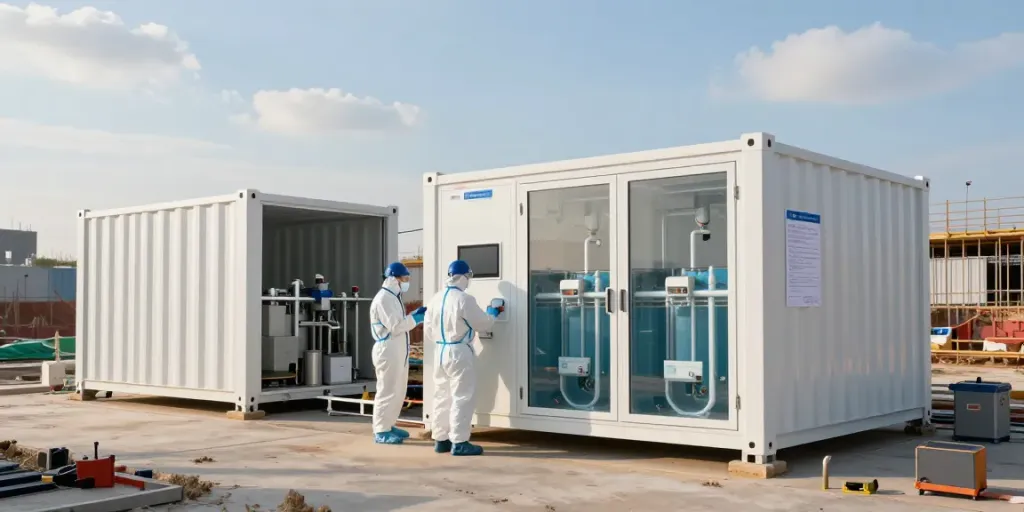
Containerized water treatment systems are integrated systems that are pre-assembled in standard shipping containers. These units combine various water treatment processes, including filtration, reverse osmosis, and disinfection, into a compact and mobile solution. The modularity of these systems allows them to be tailored to specific water quality challenges, making them suitable for a wide range of applications, from disaster relief efforts to permanent installations in remote areas.
The Importance of Modular Water Treatment Solutions
Modular solutions are essential in today’s dynamic environment, where water scarcity and quality issues are prevalent. Containerized systems allow for rapid deployment, adaptability to changing conditions, and reduced installation times compared to traditional systems. This modularity not only facilitates quick responses during emergencies but also supports long-term sustainability in water management practices.
Key Applications Across Industries
Containerized water treatment systems find applications in numerous industries, including:
- Municipal Drinking Water: Providing safe drinking water in urban and rural settings.
- Pharmaceuticals: Producing high-purity water required for critical processes.
- Agriculture: Delivering treated water for irrigation in water-scarce regions.
- Construction: Supplying water for construction sites where traditional sourcing is impractical.
- Disaster Relief: Offering immediate access to clean water in emergency situations.
Advantages Over Traditional Water Treatment Systems
Deployment Speed: A Game Changer
One of the most significant advantages of containerized water treatment systems is their rapid deployment. Traditional water treatment plants often require extensive construction timelines of 3-6 months. In contrast, containerized solutions can be operational within 3-7 days, significantly reducing the overall project cycle time by up to 60%. This is crucial in scenarios where time is of the essence, such as natural disasters or in regions experiencing acute water shortages.
Space Efficiency and Site Requirements
Traditional water treatment facilities require substantial space for civil engineering works and complex site preparations. Containerized systems, however, need only a flat surface for placement and can save up to 50% of the floor space compared to conventional plants. This space efficiency allows for installations in areas where land is scarce or expensive.
Quality Control and Innovation in Design
Containerized systems are built with factory prefabrication and standardized inspection protocols, ensuring high-quality outcomes right from the start. The intelligent control systems integrated into these units enable real-time monitoring and remote operation, delivering a level of quality control that often surpasses traditional systems. In addition, these modern designs support the integration of advanced technologies like RO (reverse osmosis) and EDI (electrodeionization), which are essential for high-purity water production.
Technical Specifications and Features
Advanced Filtration and Purification Technologies
Containerized water treatment systems utilize a combination of advanced technologies tailored to specific water quality requirements. Some common methods include:
- Filtration: Includes multimedia and membrane filtration to remove suspended solids and pathogens.
- Reverse Osmosis: Effective for desalination and removal of salts and contaminants.
- Electrodeionization: Used for producing ultra-pure water essential in pharmaceutical and laboratory settings.
Real-Time Monitoring and Intelligent Controls
The incorporation of intelligent control systems allows operators to monitor performance metrics, adjust operations dynamically, and respond to any anomalies in real-time. This capability minimizes downtime and ensures consistent water quality, directly supporting operational efficiency and regulatory compliance.
Customizability for Diverse Applications
One of the standout features of containerized systems is their ability to be customized according to the specific needs of the user. Whether it’s for municipal, industrial, or agricultural applications, these systems can be tailored to include various treatment modules and configurations. This flexibility makes them ideal for addressing unique water challenges across different environments.
Challenges and Considerations
Common Misconceptions About Containerized Systems
Despite their numerous advantages, containerized water treatment systems often encounter skepticism. One common misconception is that they are less effective than traditional systems. However, with advancements in technology and quality control, these modular systems are validated to deliver superior performance, often exceeding the efficacy of fixed installations.
Maintenance and Operational Challenges
While containerized systems are designed for ease of use, regular maintenance is still crucial for optimal performance. Operators must ensure that pre-treatment stages, such as filtration, are kept in check to avoid fouling of membranes in reverse osmosis systems. Additionally, training personnel to manage the intelligent controls effectively is vital for maintaining operational efficiency.
Cost Considerations vs. Benefits
Initial investment costs for containerized systems may be higher than traditional systems. However, the reduced installation time, lower operational costs, and potential for high reusability often offset these initial expenses. In many cases, the total cost of ownership for containerized systems can be significantly lower, particularly in temporary or remote applications.
Future Trends in Water Treatment Technology (2026 and Beyond)
Emerging Technologies and Their Impact
As technology continues to evolve, containerized water treatment systems are expected to incorporate more advanced features such as the use of artificial intelligence for predictive analytics, enhancing both efficiency and reliability. Innovations in membrane technology and energy-efficient processes will further improve the sustainability and effectiveness of these systems.
Regulatory Changes and Environmental Considerations
With increasing regulations aimed at improving water quality and reducing environmental impact, containerized systems are well-placed to meet these challenges. Their ability to process and recycle water effectively aligns with global sustainability goals, making them a compelling option for future developments in water treatment.
Innovations Forecast for the Water Treatment Industry
The future of water treatment is heavily focused on smart technologies and sustainable practices. Containerized systems will likely see innovations that permit on-site water testing and analysis, integration with IoT devices for enhanced monitoring, and the development of self-sustaining systems that can operate independently in remote areas.
What Are the Benefits of Containerized Water Treatment Systems?
Containerized systems offer numerous benefits, including rapid deployment, space efficiency, scalability, and advanced technology integration, making them ideal for a wide range of applications. Their modular nature allows for flexibility, ensuring they can adapt to evolving water treatment needs.
How Do Containerized Systems Enhance Water Quality?
By leveraging state-of-the-art filtration and purification technologies, containerized systems significantly improve water quality. The integration of real-time monitoring ensures compliance with health standards, making them reliable solutions for drinking water and industrial applications alike.
Are Containerized Systems Suitable for Remote Areas?
Yes, containerized systems are particularly well-suited for remote areas where traditional infrastructure may be lacking. Their mobility and the ability to operate in various environmental conditions make them effective solutions for providing clean water in hard-to-reach locations.
What Is the Cost Comparison with Traditional Systems?
While traditional systems may entail lower initial costs, the total cost of ownership for containerized systems often proves more economical over time due to quicker installation, lower operational costs, and increased flexibility in deployment. This makes containerized systems a savvy investment for many organizations.
Can Containerized Systems Be Customized for My Needs?
Absolutely! Containerized water treatment systems can be customized to meet specific treatment requirements, including unique water quality challenges and operational constraints. This allows businesses to tailor the system to best suit their needs and maximize efficiency.