Understanding Attractiveness: A Psychological Perspective
Attractiveness is a multifaceted concept that transcends physical appearance, influencing social dynamics, personal relationships, and even professional opportunities. Although societal standards often dictate what is considered attractive, these standards evolve and are heavily influenced by cultural, psychological, and even technological factors. Whether it’s through physical features or personality traits, the perception of attractiveness is complex, subjective, and merits thorough exploration.
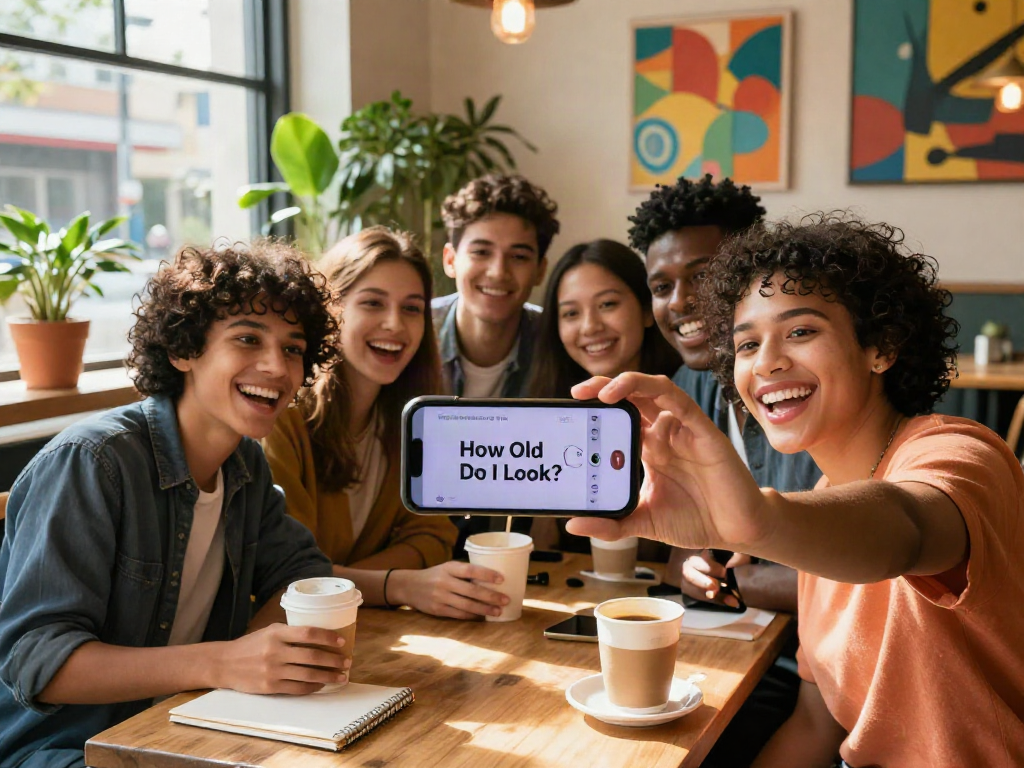
For those interested in gauging their appeal, platforms focusing on AI and facial analysis are increasingly popular. Tools that can help you test attractiveness also provide insights into factors like symmetry and proportion, which are often regarded as pivotal in defining beauty.
What Defines Attractiveness?
Attractiveness can be defined through various lenses. From a biological standpoint, traits such as facial symmetry, clear skin, and body proportions often correlate with perceived attractiveness. Psychologically, factors like confidence, charisma, and approachability play significant roles in how individuals are perceived by others. Societal norms, changing over time, also heavily influence perceptions—what was once considered attractive can become outdated as societal values shift.
The Role of Social Media in Attractiveness Perception
In the digital age, social media has reshaped our perception of attractiveness dramatically. Platforms like Instagram and TikTok often set unrealistic standards of beauty, promoting curated images that reflect idealized versions of personal appearances. The result is a paradox where users constantly compare themselves to these images, affecting their self-esteem and body image. While social media can foster confidence and community, it can also exacerbate feelings of inadequacy, leading individuals to seek validation through likes and shares.
Common Misconceptions About Attractiveness
Many misconceptions persist regarding attractiveness. One common myth is that attractiveness solely depends on physical features. In truth, personality traits such as kindness, humor, and intelligence often enhance an individual’s overall appeal. Additionally, the belief that attractiveness is permanent is misleading; it can fluctuate over time, influenced by various factors including health, mood, and even recent experiences.
How to Test Attractiveness: The Basics
Testing attractiveness has become more accessible thanks to advancements in technology. Various tools and apps allow users to evaluate their facial symmetry, proportions, and overall aesthetics. However, it’s essential to approach these tests with an understanding of what they can and cannot measure. While attractive scores can provide insight, they are far from definitive assessments of worth or value. Testing your attractiveness can also serve as a fun exercise or a way to boost confidence.
Choosing the Right Tools for Testing
There are numerous platforms available for testing attractiveness, each utilizing different methodologies. Some apps focus on AI analysis, while others may rely on user feedback. When choosing a tool, consider its features, rating scales, and user reviews to ensure it meets your needs. Look for applications that provide detailed analyses instead of just a number, which can help you understand the aspects of your appearance that are contributing to your score.
Step-by-Step Guide to Using Attractiveness Apps
- Select an App: Start by choosing a reliable app that specializes in attractiveness testing. Look for features that allow photo uploads and provide detailed insights.
- Upload Your Photo: Follow the app's guidelines to upload a recent photo, preferably one where your face is clearly visible.
- Receive Your Analysis: After processing, the app will provide you with a score and insights on various facial features.
- Review the Metrics: Take time to understand the feedback – is it focusing on symmetry, proportions, or other factors?
- Implement Feedback: Use the insights gained to work on aspects of your appearance if desired, but remember that attractiveness is subjective.
Interpreting Your Results: What Do They Mean?
Upon receiving your attractiveness score, it’s crucial to understand what these numbers signify. A score is often a simplistic representation that may not encapsulate your overall beauty or appeal. Scores can vary significantly based on current trends and personal preferences. Furthermore, interpreting these results requires a balance of self-awareness and confidence; a high score can boost self-esteem, while a low score should not dictate self-worth.
Factors Influencing Attractiveness Scores
Physical Features and Their Impact
Several physical attributes impact attractiveness scores significantly. Facial symmetry is often highlighted as a key indicator; studies suggest that symmetrical faces are generally perceived as more attractive. Other physical traits such as skin clarity, hair quality, and facial proportions also contribute to attractiveness ratings. Ultimately, these characteristics can vary by cultural standards and personal preferences, leading to diverse perceptions of beauty.
The Importance of Facial Symmetry
Facial symmetry is often considered one of the most critical aspects of attractiveness. Research has shown that individuals with symmetrical features are frequently viewed as more appealing. This is partly due to evolutionary biology, where symmetry is often equated with genetic health and vitality. However, it’s essential to note that while symmetrical faces may be culturally celebrated, beauty is subjective; many find unique or asymmetrical features equally charming.
Personality Traits That Enhance Attractiveness
Interestingly, personality traits play a pivotal role in enhancing physical attractiveness. Traits such as confidence, kindness, and a sense of humor can significantly elevate how others perceive you. A person who exudes positivity and charm is often deemed more attractive than someone who fits the physical mold but lacks these qualities. Emotional intelligence, the ability to connect with others, and authenticity are powerful attractors in social contexts.
Best Practices for Enhancing Attractiveness
Tips for Improving Your Facial Features
While some aspects of attractiveness are innate, many features can be enhanced through practical techniques. Regular skincare routines can improve skin health and texture, while specific hairstyles can frame your face more favorably. Maintaining a healthy lifestyle, including a balanced diet and regular exercise, not only improves physical condition but also enhances self-confidence, which directly correlates with attractiveness.
Grooming and Self-Care Strategies
Good grooming habits can dramatically contribute to how attractive you appear. Regular grooming routines, such as haircuts, skincare, and dental hygiene, help present the best version of yourself. Additionally, dressing well in clothing that complements your body shape can boost your overall appeal. Wearing outfits that fit well and enhance your features provides a substantial confidence boost, making you feel more attractive.
Building Confidence Through Body Language
Body language is an often-overlooked component of attractiveness. Confident postures, eye contact, and open gestures can create a positive impression on others. Practicing good body language not only enhances how others perceive you but also helps in building your self-esteem. Engaging in activities and practices that foster confidence, such as public speaking or performance, can significantly improve your overall attractiveness.
The Future of Attractiveness Testing (2026 and Beyond)
Emerging Trends in AI Attractiveness Analysis
As we progress into 2026, AI technology continues to evolve rapidly, particularly in the realm of attractiveness testing. Emerging trends indicate a shift towards more personalized assessments that consider individual preferences and cultural backgrounds. The integration of virtual reality could allow users to explore their attractiveness in simulated environments, providing a richer context for self-evaluation. Moreover, as AI becomes more sophisticated, we may see features that analyze not just facial traits but emotional expression and personality compatibility.
Ethical Implications of Attractiveness Testing
While the allure of AI attractiveness tests is strong, ethical considerations cannot be overlooked. Issues of privacy, data security, and the potential for damaging body image perceptions raise important questions. The line between playful self-assessment and harmful comparison can be thin, making it crucial for users to approach these tools thoughtfully. Developers must prioritize ethical standards in the design and implementation of attractiveness applications to safeguard user well-being.
How to Stay Authentic While Using Technology
As technology continues to shape our understanding of attractiveness, maintaining authenticity becomes vital. Users should be encouraged to embrace their unique features rather than conforming to narrow standards of beauty. While testing tools can provide insights, they should supplement, not dictate, an individual’s self-perception. Emphasizing inner beauty, personal achievements, and character can help cultivate a well-rounded identity that transcends superficial assessments.
How can I test my attractiveness?
There are various tools available online, from AI-powered apps to simple quizzes, allowing you to explore your attractiveness.
Is 7 out of 10 considered attractive?
A score of 7 is typically viewed favorably, though attractiveness is subjective and varies based on personal preferences and cultural standards.
Is there an accurate attractiveness test?
While many tools claim to provide accurate assessments of attractiveness, results can be influenced by various factors, including personal biases and algorithm limitations.
Is a 6.5 out of 10 attractive?
Attractiveness ratings, like 6.5, can be appealing to many; perceptions of beauty vary widely among individuals.
What factors influence attractiveness ratings?
Physical features, symmetry, personality traits, and even societal trends significantly influence how attractiveness is rated and perceived.