Understanding Camino Cannabis: The Basics of Cultivation
In recent years, the popularity of cannabis has surged, especially with the advent of various strains and growing techniques that have made cultivation accessible to many enthusiasts. Among these, Camino cannabis stands out for both its unique characteristics and the benefits it offers to home growers. Whether you're a seasoned gardener or new to the world of cannabis, understanding its basics is crucial for successful cultivation.
What is Camino Cannabis?
Camino cannabis refers to a specific approach to growing cannabis that emphasizes quality, sustainability, and tailored cultivation strategies. This method not only incorporates traditional horticultural practices but also integrates cutting-edge agricultural technology to enhance growth and potency. With a variety of strains available, each with distinct profiles and effects, growers can select options that align with their personal preferences or therapeutic needs.
Benefits of Growing Your Own Cannabis
- Quality Control: Growing your own cannabis allows you to control the entire process, from seed selection to harvest. This means you can ensure the quality and purity of your product.
- Cost Efficiency: While the initial investment in tools and equipment can be significant, growing your own cannabis can save you money in the long run, especially with the rising prices of commercially available cannabis.
- Personal Satisfaction: There's a unique satisfaction that comes from nurturing plants and watching them grow. This process can also be therapeutic in nature.
- Variety of Strains: Home growers can experiment with different strains, creating unique blends that suit their personal preferences.
Legal Considerations for Home Gardening
Before you start your cannabis garden, it's essential to understand the legal framework surrounding cannabis cultivation in your area. Many regions have specific regulations regarding the number of plants you can grow, who can grow them, and where they can be cultivated. Make sure to familiarize yourself with local laws to avoid potential legal issues and penalties.
Setting Up Your Camino Cannabis Garden
Choosing the Right Location and Environment
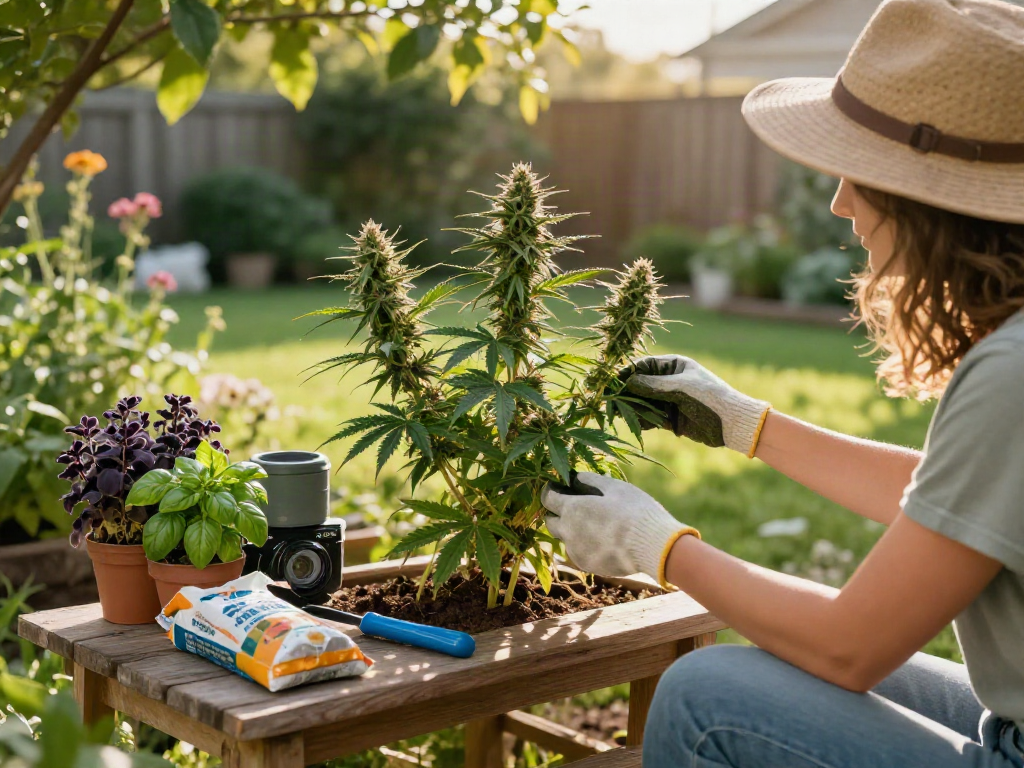
The success of your cannabis garden largely depends on the environment in which you cultivate it. Whether indoors or outdoors, selecting the right location is critical. Cannabis plants thrive in areas with ample sunlight, good air circulation, and protection from extreme weather conditions. If gardening indoors, consider the use of grow lights to simulate sunlight and maintain a controlled atmosphere for optimal growth.
Essential Tools and Equipment for Growing
Equipping yourself with the right tools is vital for successful cannabis cultivation. Essential items include:
- Grow Lights: If growing indoors, you’ll need high-quality grow lights that mimic natural sunlight.
- Hydroponic Systems: These systems can greatly enhance growth by providing nutrients directly to the roots.
- Soil Testing Kits: Understanding your soil's pH and nutrient levels can significantly impact plant health.
- Pruning Shears: For maintaining plant shape and encouraging healthy growth.
- Watering Equipment: Tools such as moisture meters and watering cans help manage hydration levels.
Soil vs. Hydroponics: What’s Best for You?
Choosing between soil and hydroponic systems depends on your gardening style and preference. Soil is easier for beginners as it naturally provides nutrients and is more forgiving of mistakes. Hydroponics, while requiring more initial setup and knowledge, can lead to faster growth rates and higher yields due to better nutrient absorption. Evaluate your goals, experience level, and available resources to make the best choice for your garden.
Growing Techniques for Optimal Yield
Understanding Different Strains and Their Needs
Each cannabis strain has unique growth requirements, including specific light, temperature, and humidity preferences. Indicas typically thrive in cooler climates, while sativas prefer warmer environments. Knowing the needs of the strains you choose is crucial for maximizing yield and potency. Consider starting with well-established, beginner-friendly strains to build your confidence.
Watering, Nutrients, and Light Requirements
Watering your cannabis plants requires a balance; overwatering can lead to root rot, while underwatering can stunt growth. Monitor moisture levels regularly. Nutrients are also critical; cannabis plants require nitrogen, phosphorus, and potassium in varying amounts throughout their lifecycle. Additionally, ensuring that your plants get the right amount of light per day—usually between 12 to 18 hours—is essential for optimal growth.
Pest Control and Disease Management
Keeping your cannabis garden healthy involves ensuring that plants are safe from pests and diseases. Use organic pest control methods, such as introducing beneficial insects like ladybugs, or applying natural repellents. Regularly inspect your plants for signs of distress, such as yellowing leaves or visible pests, and act quickly to mitigate any issues.
Harvesting and Post-Harvest Techniques
When and How to Harvest Your Plants
Timing your harvest is critical for maximizing the quality and potency of your cannabis. Harvesting should occur when the trichomes on the buds turn from clear to a milky white, signaling peak THC levels. Use sharp shears to cut the branches and handle the buds gently to avoid damaging them.
Curing and Storing Cannabis for Quality
After harvesting, curing is essential to enhance flavor and potency. Place the buds in airtight jars, opening them daily to allow moisture to escape and fresh air to circulate. This process can take several weeks but is crucial for developing the rich flavors and aromas characteristic of high-quality cannabis.
Using Your Harvest: Preparing Edibles and More
Your cannabis harvest can be enjoyed in various ways, from traditional smoking to making edibles. When preparing edibles, remember to decarboxylate your cannabis first, which activates the psychoactive compounds. Recipes can range from simple infused oils to elaborate baked goods, offering endless possibilities for enjoyment.
Future Trends in Cannabis Cultivation
Emerging Technologies in Cannabis Farming
The future of cannabis cultivation is likely to be shaped by advances in technology. Innovations such as automated growing systems, precision agriculture, and genetic editing could improve yields and enhance the quality of cannabis. Vertical farming and controlled environment agriculture (CEA) are also emerging as viable options for cannabis cultivation, particularly in urban areas.
Market Trends and Consumer Preferences for 2026
As consumers become more knowledgeable about cannabis, their preferences will likely shift toward organic and sustainably grown products. Market analysts predict a rise in demand for artisanal strains and products that emphasize quality over quantity. Additionally, as more states and countries legalize cannabis, the market will continue to expand, creating new opportunities for growers.
Sustainable Practices in Cannabis Gardening
With increasing awareness of environmental issues, sustainable practices in cannabis cultivation are gaining traction. This includes using organic fertilizers, conserving water, and implementing crop rotation to maintain soil health. As a grower, focusing on sustainability not only benefits the environment but can also attract environmentally conscious consumers.
What are the best strains for beginners?
For novice growers, strains like Blue Dream, White Widow, and Northern Lights are often recommended due to their resilience and forgiving growing conditions.
How can I ensure a successful harvest?
To increase your chances of a successful harvest, monitor your plants closely for signs of stress, maintain optimal growing conditions, and keep your growing area clean to prevent diseases and pests.
What legal regulations should I be aware of?
Check your local regulations regarding cannabis cultivation; these can vary significantly between jurisdictions, including limits on plant counts and growing conditions.
How do I deal with pests organically?
Implementing organic pest control methods, such as introducing natural predators or using homemade repellents like neem oil, can help manage pests without harmful chemicals.
What are some common mistakes in cannabis gardening?
Common mistakes include overwatering, neglecting nutrient needs, and not providing adequate light. Paying close attention to your plants and responding to their needs can prevent these pitfalls.