Understanding Aging Perception Through AI: How Old Do I Look?
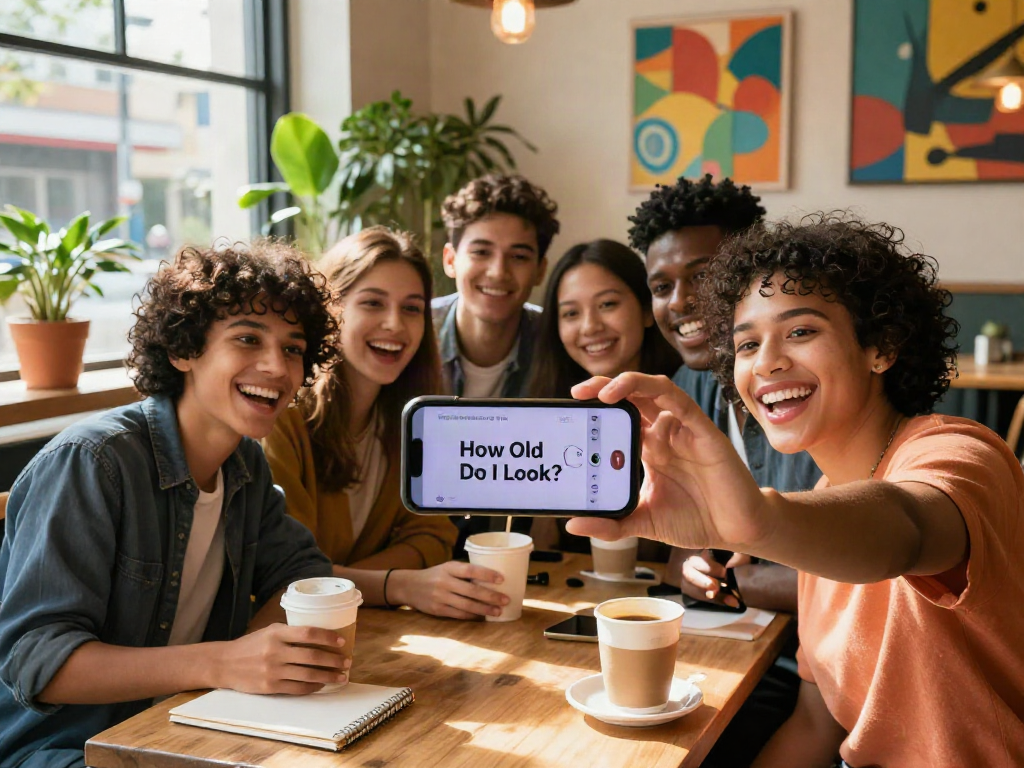
In an era defined by technological advancement, the intersection of artificial intelligence and self-perception is transforming how we view age. The question, “how old do I look?”, has evolved from a subjective inquiry into a matter of scientific scrutiny through the use of AI-powered tools. With the ability to analyze facial features and provide estimates of biological age, these tools not only offer insights into our aging process but also influence how we perceive ourselves and others. This article explores the science behind facial age estimation, the misconceptions surrounding aging, and how AI is reshaping our understanding of age.
When exploring options, how old do i look tools are at the forefront, providing a blend of accuracy and engagement that can lead to a deeper understanding of age perception.
The Science Behind Facial Age Estimation
The science of facial age estimation hinges on the understanding of various physiological markers that signify aging. Factors such as skin texture, elasticity, wrinkles, and pigmentation all play a crucial role in how our age is perceived. With the advent of AI, algorithms trained on vast datasets of human faces can analyze these markers to estimate age. Research in facial recognition technology has revealed that certain age-related features can be quantified, allowing machines to make predictions with astonishing accuracy.
- Wrinkles and Fine Lines: Age often correlates with the number and depth of wrinkles, particularly around the eyes and mouth.
- Skin Texture: Smooth skin is typically associated with youth, while rough or uneven textures can indicate aging.
- Facial Volume: Loss of fat and muscle tone in the face can create a gaunt appearance, which is often perceived as older.
- Dark Spots and Hyperpigmentation: These signs of aging emerge from sun exposure and hormonal changes, affecting perceptions of age.
How AI is Transforming Age Perception
AI has dramatically changed the landscape of age estimation by not only providing accurate assessments but also enabling personalized interactions. Users can upload their photos and receive instant feedback about their perceived age, allowing them to engage with the results in real-time. This interactivity creates a more profound personal connection and can influence self-esteem and body image. For example, a user who receives a younger-than-expected age estimate might experience a boost in confidence, while the opposite could lead to self-reflection and concern about aging.
Moreover, AI can also offer recommendations based on the results, such as skincare routines or lifestyle changes aimed at preserving a youthful appearance. This trend underscores the dual role of technology as both a diagnostic tool and a motivator for personal wellness.
Common Misconceptions About Aging
Despite the advancements in our understanding of aging, many misconceptions continue to persist. One of the most common is the belief that aging is purely a physical process, taking no account of psychological and emotional well-being.
- Aging Equals Decline: Many people associate aging with a decline in health and vitality. However, many individuals maintain robust lifestyles well into their later years.
- You Can Control How You Age: While genetics play a significant role, lifestyle choices such as nutrition, exercise, and mental health can greatly influence perceived age.
- Age and Attractiveness: Societal standards often equate youth with beauty, leading to an age bias that can affect self-esteem.
How to Use AI Tools: Practical Steps for Getting Your Facial Age
Engaging with AI tools for age estimation is a straightforward process, but understanding how to maximize the experience can yield better insights.
Choosing the Right App to Determine How Old Do I Look
With numerous applications available, selecting the right one is crucial. Look for AI tools that offer:
- Accurate algorithms tested against diverse datasets.
- User-friendly interfaces for seamless interaction.
- Privacy policies that ensure your data is secure and not misused.
By considering these factors, you can enjoy a more reliable and safe experience while determining how old you look.
Step-by-Step Guide to Uploading Your Photo
Once you’ve selected an app, the process typically involves:
- Choosing a Clear Photo: Use a well-lit image where your face is unobstructed.
- Uploading Your Image: Follow the app’s prompts to upload your photo securely.
- Receiving Results: Wait for the AI analysis and review your age estimate.
Remember to engage with the results thoughtfully, reflecting on what they mean for you personally.
Interpreting the Results: What Does Your Age Estimate Mean?
Understanding the results from age estimation tools requires a nuanced approach. While these tools provide a numerical estimate, they should be viewed as one piece of the puzzle in self-perception. It's essential to consider not just the number but also the context of your lifestyle, health, and emotional well-being. The insights gained can be a valuable starting point for discussions about aging positively.
Enhancing Your Confidence: How Age Perception Affects Self-Image
The relationship between age perception and self-image is profound. As individuals engage with their perceived age, whether through AI tools or societal interactions, their confidence can fluctuate.
Boosting Self-esteem with Positive Age Feedback
Receiving a younger age estimate can serve as a powerful confidence booster. Many individuals find that a positive affirmation about their appearance can enhance their mood and motivate them to maintain their health and beauty routines. Celebrating this aspect of self-image can lead to greater satisfaction with one's life.
Addressing Negative Self-Perceptions
Conversely, results that are perceived as unfavorable can lead to negative feelings regarding self-worth. It’s important to challenge these thoughts and recognize that age is only one determinant of beauty and value. Professional guidance from therapists or counselors can offer strategies to combat these negative self-perceptions and develop a healthier mindset about aging.
Building an Empowering Mindset Regardless of Age Estimates
Fostering an empowering mindset involves embracing the aging process as a natural aspect of life. Practices such as mindfulness, gratitude, and self-acceptance can help individuals cultivate a more positive outlook towards aging. Additionally, surrounding oneself with positive influences and reminders of one’s worth can shift the focus from age to accomplishment and personal growth.
Real-World Applications: Using Age Estimation for Personal Growth
Understanding how old you look can have practical applications that extend beyond vanity. It can influence personal growth and social interactions.
Aspiration and Motivation: Setting Personal Goals
Age perception can serve as a motivational tool in setting personal goals. For instance, if an individual receives an age estimate that is younger than expected, it may inspire them to pursue new activities or challenges, believing that they have the energy and vitality to do so.
How to Leverage Your Age Estimate in Social Situations
In social contexts, understanding how old you look can help navigate interactions more effectively. It may influence how you present yourself or the types of activities you engage in with peers. The key is to use this insight as a tool for connection rather than a measure of worth.
Case Studies: Success Stories from Age Estimation Users
Many users have reported transformative experiences from engaging with age estimation tools. For example, one user shared how receiving a younger-than-expected age estimate motivated her to embark on a new fitness journey, ultimately leading to improved physical health and a renewed sense of self-confidence. Another individual utilized their age insights to enhance their skincare routine, feeling empowered to take active steps towards maintaining their youthful appearance.
Future Trends: The Evolution of Age Estimation Technology in 2026
As technology rapidly evolves, the future of age estimation presents exciting possibilities.
Emerging Technologies in Facial Recognition
By 2026, we can expect a significant enhancement in the algorithms used for age estimation, incorporating a broader range of data, including lifestyle factors and even emotional expressions. This integration could lead to even more accurate and personalized age assessments that consider various dimensions of aging.
Ethics and Privacy Considerations
With the rise of AI tools, ethical concerns regarding privacy and data security are increasingly important. Ensuring that users are aware of how their data is utilized and maintaining stringent privacy policies will be crucial in fostering trust and continued engagement with these technologies.
What to Expect from AI Age Estimation in the Next Five Years
Looking ahead, advancements in age estimation technology will likely include enhanced user interfaces that provide more detailed feedback and actionable insights. Additionally, the integration of social media monitoring could offer a more comprehensive view of how age is perceived in different contexts and cultures.
What is the best way to estimate how old do I look?
The best way to estimate how old you look combines using reliable AI tools with a healthy dose of self-reflection. Consider engaging with various platforms to compare results and reflect on them in the context of your lifestyle and personal experience.
Can AI tools accurately determine how old do I look?
While AI tools offer exciting advancements in age estimation, their accuracy can vary based on the algorithms used and the quality of the input image. It's best to view the results as estimates rather than definitive answers.
What factors influence how old do I look evaluations?
Factors influencing age evaluations include physical attributes such as skin condition and facial structure, as well as lifestyle choices like diet, exercise, and mental health.
How does social media impact perceptions of age?
Social media heavily influences how age is perceived by promoting ideals of youthfulness and beauty standards. This constant comparison can impact self-esteem and body image across all age groups.
What are the privacy concerns with using age estimation apps?
Privacy concerns primarily revolve around data collection and usage. Users should be aware of what data is being stored, how it will be used, and the measures in place to protect their privacy.